
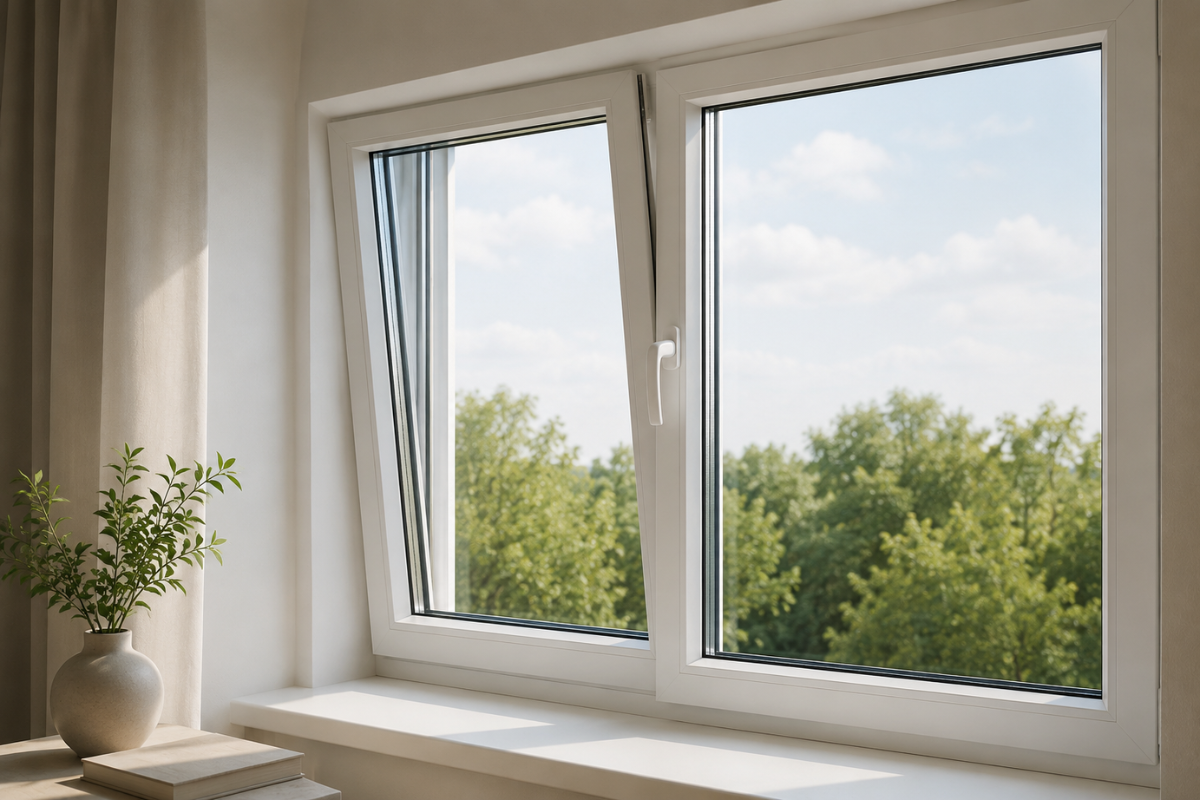
Double Glazed uPVC Windows: Not All Windows Perform the Same
In modern construction, windows are expected to perform exceptionally well while providing daylight and ventilation. In India’s climate and increasingly noisy urban environments, they play a crucial role in maintaining indoor comfort and improving a building’s energy performance. That is why double glazed uPVC windows have become a preferred choice for apartments, villas, and commercial buildings.
Many homeowners searching for soundproof uPVC windows are looking for double glazed windows because the insulated glass helps reduce outside noise and improves thermal insulation. However, the performance of a window depends on more than just two panes of glass. The quality of the uPVC profile, insulated glass unit (IGU), sealing system, hardware and installation influences how the window controls heat, noise and air leakage.
This guide explains how double glazed uPVC windows work, why they are well-suited to Indian conditions, and the engineering features that determine long-term performance.
Contents
- 1 What Are Double Glazed uPVC Windows?
- 2 How an Insulated Glass Unit (IGU) Works
- 3 Why the Entire Window System Matters More Than the Glass Alone
- 4 How Do Double Glazed uPVC Windows Improve Energy Efficiency?
- 5 How Heat Travels Through Windows
- 6 Why Multi-Chamber uPVC Profiles Improve Thermal Performance
- 7 Can Double Glazed Windows Reduce Electricity Consumption?
- 8 Do Double Glazed uPVC Windows Really Reduce Outside Noise?
- 9 Why People Search for “Soundproof uPVC Windows
- 10 What Determines Acoustic Performance?
- 11 Why Argon Gas Filling Matters
- 12 Air-Filled vs Argon-Filled Double Glazed Windows
- 13 Is Argon Gas Worth Choosing?
- 14 How to Choose High-Performance Double Glazed uPVC Windows
- 15 Frequently Asked Questions
- 16 Conclusion
What Are Double Glazed uPVC Windows?
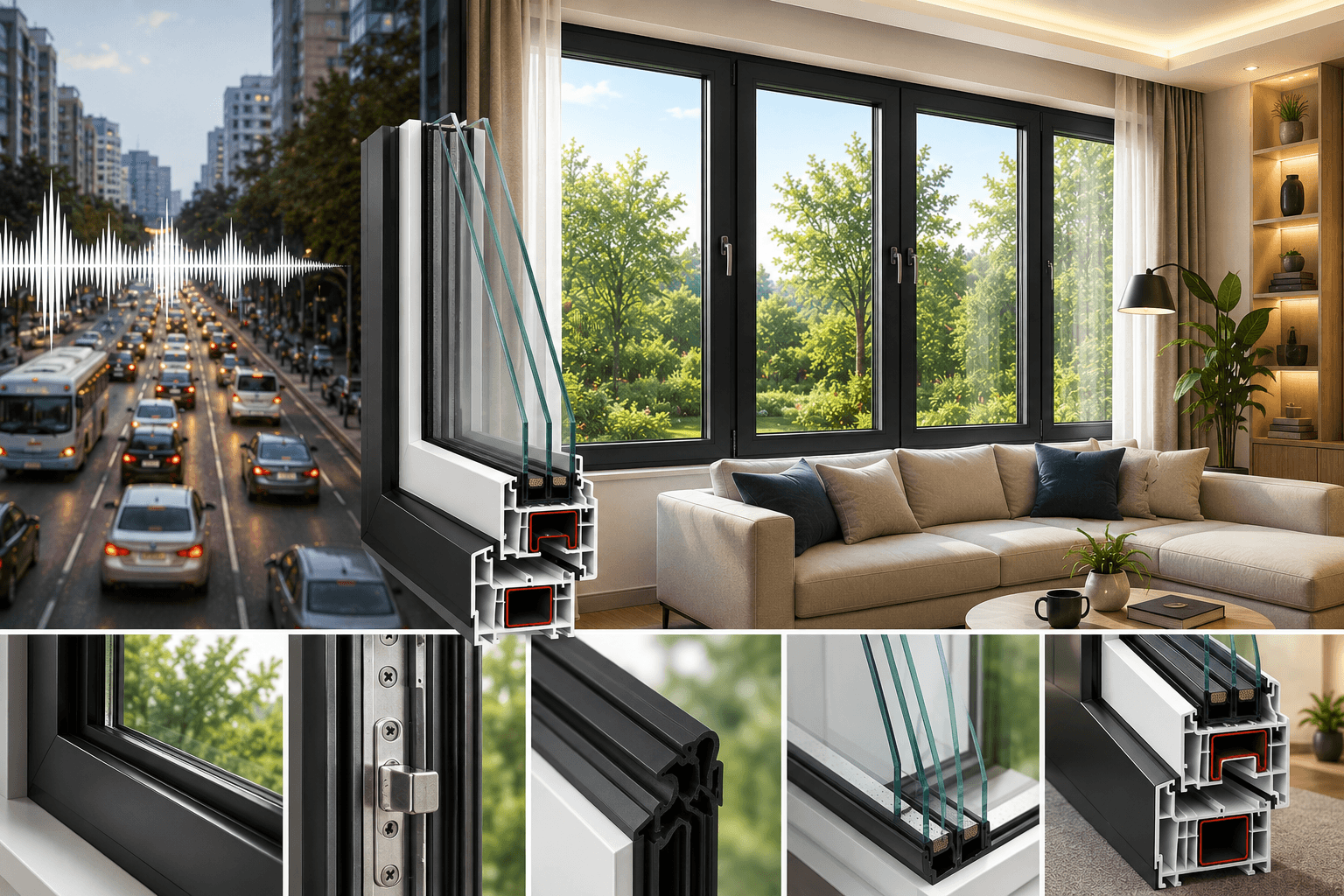
Double-glazed uPVC windows are insulated window systems that combine two panes of glass with a sealed air- or argon-filled cavity within a high-performance uPVC frame. Many assume that adding a second pane of glass alone creates a high-performance window — but double glazing is just one part of an engineered system designed to enhance thermal and acoustic performance.
At the centre of the system is an Insulated Glass Unit (IGU). It consists of two glass panes separated by a precisely engineered spacer bar that creates a sealed cavity. This cavity is filled with dry air or argon gas and sealed to prevent moisture ingress. Because the cavity acts as an insulating layer, it slows heat transfer and reduces sound transmission.
The insulated glass is then installed within a multi-chamber uPVC profile. Unlike conventional solid frames, multi-chamber profiles contain a series of internal air pockets that further reduce heat transfer. High-quality weather seals and multi-point locking systems create an airtight closure that helps prevent unwanted air leakage, dust and water ingress.
Two windows may both be advertised as “double glazed,” yet perform very differently. Factors such as profile design, glazing specification, spacer quality, sealing, and installation have a significant impact on thermal efficiency and acoustic performance. This is one reason Aparna Venster positions itself as an end-to-end uPVC solutions provider. Handling survey, design, fabrication, delivery, installation and service as a single system, with manufacturing certified to ISO 9001:2015 for quality management rather than supplying glass or profile as separate parts for someone else to assemble.
How an Insulated Glass Unit (IGU) Works
An insulated glass unit improves performance by interrupting the natural movement of heat and sound through a window.
Heat passes through glass by three mechanisms:
– Conduction – Heat moves directly through the glass from the warmer side to the cooler side.
– Convection – Air movement transfers heat within the cavity.
– Radiation – Solar energy passes through the glass and warms indoor surfaces.
The sealed cavity between the two glass panes slows conduction and convection, while specialised glazing options such as Low-E glass can further reduce radiant heat transfer. This makes the window effective at maintaining a comfortable indoor temperature throughout the year.
The same cavity also disrupts sound waves as they travel through the window, reducing the amount of external noise that enters the room. Well-engineered insulated glass units, when paired with a properly sealed frame, can reduce outside noise by up to 40 decibels – the difference between hearing heavy street traffic clearly and barely noticing it indoors.
Why the Entire Window System Matters More Than the Glass Alone
A high-performance window combines:
- Engineered multi-chamber uPVC profiles
- Properly manufactured insulated glass units
- High-quality EPDM weather seal
- Precision-welded frame corners
- Multi-point locking hardware
- Professional installation with airtight sealing
Even premium glazing cannot compensate for poorly manufactured frames or gaps created during installation. Air leakage around the frame allows heat, dust, and noise to bypass the insulated glass, reducing the benefits of double glazing.
Aparna Venster’s multi-chamber uPVC profiles are engineered to support insulated glazing systems and are paired with German hardware for a tighter, longer-lasting seal.
How Do Double Glazed uPVC Windows Improve Energy Efficiency?
Double glazed uPVC windows improve energy efficiency by slowing the transfer of heat between the outdoors and indoors. The insulated glass unit, combined with multi-chamber uPVC profiles and airtight sealing, helps maintain more stable indoor temperatures, reducing the workload on air-conditioning systems and improving overall comfort.
Windows are one of the largest pathways for heat gain in buildings, particularly those with large glazed openings. During summer, solar radiation passing through conventional windows can significantly increase indoor temperatures, forcing cooling systems to work harder.
Double glazed windows reduce this effect by introducing an insulating barrier between the outdoor and indoor environments. Insulated glass units hold cool air indoors, which is one of the reasons homeowners commonly report lower AC bills after switching.
Double glazing also helps stop windows from fogging up, common in Indian homes during monsoon or when AC rooms meet hot air outside. Moisture turns into water droplets when it touches a cold surface like glass — but the sealed air gap in double glazing keeps the inside pane closer to room temperature, so there’s less fogging, drier sills, and less mould risk over time compared to single-glazed windows.
How Heat Travels Through Windows
As explained earlier, heat moves through a window by conduction, convection and radiation. Single glazing does little to interrupt any of these three — glass conducts heat readily, air within a single pane offers no insulating cavity, and unfiltered solar radiation passes straight through. This is why single-glazed windows in conventional buildings allow indoor temperatures to rise quickly during Indian summers, while a properly engineered double-glazed unit slows all three mechanisms at once.
Why Multi-Chamber uPVC Profiles Improve Thermal Performance
The glass is only one part of the thermal barrier. The frame also influences how much heat enters or leaves a building.
Multi-chamber uPVC profiles contain a series of enclosed air chambers that naturally reduce heat conduction. These chambers act as insulating pockets, helping the frame perform more efficiently than a solid section.
The profile design also supports effective weather sealing. High-quality EPDM gaskets create a tight seal between the sash and frame, reducing uncontrolled air leakage and preserving comfort through both summer heat and monsoon rain.
Can Double Glazed Windows Reduce Electricity Consumption?
Double glazed uPVC windows can contribute to lower cooling energy requirements by reducing the amount of heat entering the building. When indoor temperatures remain more stable, air-conditioning systems may operate less frequently or for shorter durations. With a well-specified insulated glass unit, some homeowners have reported savings of up to 30% on their AC bills.
However, the level of energy saving depends on several factors, including:
- Building orientation
- Window-to-wall ratio
- Glass specification
- Profile quality
- Airtight installation
- Local climate
- Occupant behaviour
Rather than viewing double glazing as a standalone solution, it should be considered part of a broader strategy for improving a building’s energy efficiency.
Do Double Glazed uPVC Windows Really Reduce Outside Noise?
Yes, double glazed uPVC windows can reduce outside noise when they combine insulated glazing, quality uPVC profiles, effective weather sealing, and professional installation. A well-engineered system can cut outside noise by up to 40 decibels, though real-world results vary with glass configuration, sealing quality and the type of noise involved. They are not, however, completely soundproof.
One of the most common misconceptions is that every double glazed window is a soundproof window. In reality, no residential window can eliminate all external noise. Instead, a well-engineered double glazed system reduces the amount of sound that enters a room, creating a quieter and more comfortable indoor environment.
This distinction is particularly important in Indian cities, where homes are exposed to traffic, construction activity, rail corridors and commercial zones. Different types of noise travel at different frequencies, meaning the glazing configuration that performs well against traffic noise may not provide the same level of reduction for aircraft or construction noise.
Why People Search for “Soundproof uPVC Windows
The term soundproof uPVC windows has become a popular online search because homeowners often associate quieter interiors with complete sound isolation. In practice, the objective is noise reduction, not absolute soundproofing.
A window’s acoustic performance depends on how effectively it limits sound transmission through the glass and prevents air leakage around the frame. Even small gaps between the sash and frame can allow a noticeable amount of sound to enter, reducing the benefits of insulated glazing.
This is why high-quality sealing systems and precise installation are just as important as the glass specification.
What Determines Acoustic Performance?
Several engineering factors — glass configuration, width of the insulating cavity, frame engineering, airtight sealing, and installation — influence how effectively a double glazed window reduces outside noise.
Glass Configuration
The thickness and combination of the glass panes play a significant role in acoustic performance. Using two panes of identical thickness is not always the most effective solution. In many cases, combining different glass thicknesses helps disrupt sound waves more efficiently because each pane vibrates at a different frequency.
Width of the Insulating Cavity
The sealed cavity between the glass panes also affects noise reduction. A properly designed cavity helps reduce the transmission of sound while improving thermal insulation. However, simply increasing the cavity width does not always result in better acoustic performance. The optimum configuration depends on the intended application.
Frame Engineering
A well-designed multi-chamber uPVC profile helps minimise vibration and supports the insulated glass unit. Quality profile engineering also ensures long-term dimensional stability, allowing the window to maintain a consistent seal over years of operation.
Airtight Sealing
Noise travels wherever air can pass. High-performance EPDM gaskets, precision manufacturing, and multi-point locking systems help create an airtight closure, limiting sound leakage around the window.
Professional Installation
Even the highest-quality window cannot perform as intended if it is installed incorrectly. Poor alignment, inadequate sealing, or installation gaps can reduce both thermal efficiency and acoustic performance.
Homeowners often compare windows based only on the type of glass. In practice, profile quality, sealing, and installation frequently have an equally important influence on how quiet a room feels.
Also Read: 11 Balcony Window Designs That Actually Suit Indian Balconies
Why Argon Gas Filling Matters
Argon gas improves the thermal performance of double glazed uPVC windows by reducing heat transfer inside the insulated glass unit. Because argon conducts heat more slowly than ordinary air, it helps improve insulation and supports better indoor temperature stability.
Premium insulated glass units often replace the air between the two glass panes with argon gas. This colourless, odourless and non-reactive gas has lower thermal conductivity than air, making it more effective at slowing heat movement through the glazing.
As a result, the window can reduce heat gain more effectively during summer while supporting greater indoor comfort.
It is important to understand that argon gas is not a standalone solution. Its benefits are realised only when combined with high-quality insulated glazing, reliable edge sealing and an engineered window system.
Air-Filled vs Argon-Filled Double Glazed Windows
It looks like your text cut off at the end. Based on the table you started, here is the completed comparison for Insulated Glass Units (IGUs), along with the missing row for energy efficiency and additional key differences.
| Feature | Air-Filled IGU | Argon-Filled IGU |
| Thermal Insulation | Good | Higher |
| Heat Transfer | Higher | Lower |
| Energy Efficiency | Lower | Higher (saves more on utility bills) |
| U-Value | Higher (less efficient) | Lower (more efficient) |
| Cost | Standard budget | Slightly more expensive upfront |
| Lifespan Effectiveness | Consistent over time | Dissipates roughly 1% per year |
Is Argon Gas Worth Choosing?
For homeowners prioritising energy efficiency, particularly in regions with prolonged hot weather, argon-filled insulated glass can provide additional thermal benefits. While the improvement may vary depending on the overall glazing specification, it complements other performance features such as Low-E glass, multi-chamber profiles and effective weather sealing.
The quality of manufacturing is equally important. A properly sealed insulated glass unit helps maintain the integrity of the gas-filled cavity over its service life.
How to Choose High-Performance Double Glazed uPVC Windows
When comparing window systems, look beyond product brochures and marketing claims. These are the engineering features that actually influence day-to-day performance.
Choose High-Quality uPVC Profiles
The profile forms the structural foundation of the window. Engineered multi-chamber profiles help improve thermal insulation, support insulated glazing and provide long-term dimensional stability.
Evaluate the Glazing Specification
Not all insulated glass units are identical. Consider the glass type, cavity design and whether additional options such as argon gas filling or specialised glazing are appropriate for your project.
Check the Weather Sealing System
This is where thermal and acoustic performance are won or lost – confirm EPDM gasket quality rather than taking it on faith.
Assess the Hardware
Multi-point locking improves frame compression for a more secure, airtight seal.
Prioritise Professional Installation
Installation quality has a direct impact on window performance. Correct alignment, appropriate anchoring, and proper perimeter sealing help ensure that the engineered features of the window perform as intended.
Look for Certification and Track Record
Look for RoHS compliance (confirming lead-free, eco-friendly materials) along with recognised ISO certifications covering quality (ISO 9001:2015), environmental management (ISO 14001:2015) and occupational health and safety (ISO 45001:2018). Aparna Venster holds all three. A manufacturer should offer a meaningful warranty; Aparna Venster backs its uPVC windows with a 10-year warranty on discoloration and structural degeneration and a 1-year warranty on hardware such as locks, hinges, and handles after installation.
Engineered Venster’s PVC profiles, European technology, ISO-certified manufacturing, and professional installation are what make a window solution like Aparna Venster’s dependable over the long term, rather than just on paper.
Also Read: How Multi-Chambered uPVC Profiles Reduce Indoor Heat
Frequently Asked Questions
Are double glazed uPVC windows worth installing in India?
Yes. Double glazed uPVC windows help improve thermal insulation, reduce outside noise, offer protection against dust and are easy to maintain, making them well-suited to the Indian climate, urban environments and changing weather conditions.
Are double glazed windows completely soundproof?
They are not completely soundproof, but they can reduce noise up to 40 per cent nt, making your indoor space comfortable. A well-engineered system can achieve sound reductions, but the actual level depends on the glazing configuration, profile quality, weather sealing and installation.
Can double glazed windows help lower electricity consumption?
They can contribute to improved energy efficiency by reducing heat transfer and helping maintain more stable indoor temperatures. They can reduce energy bills, but it actually depends on factors such as climate, building orientation, glazing specification and air-conditioning usage.
What is the purpose of argon gas in double glazing?
Argon gas slows heat transfer within the insulated glass unit, improving thermal insulation compared with standard air-filled cavities.
How long do double glazed uPVC windows last?
The lifespan depends on manufacturing quality, installation and maintenance. Well-engineered uPVC profiles and properly sealed insulated glass units are designed for long-term performance under normal operating conditions; premium systems can be built to last over 25+ years and come with a 10-year warranty on discoloration and structural degradation.
Conclusion
Double glazed uPVC windows are more than just two panes of glass. Their performance depends on how well insulated glazing, multi-chamber profiles, weather sealing, hardware, and installation work together. These components work together and not as any single component in isolation.
Aparna Venster builds its windows around this systems approach to deliver quieter, more comfortable, and energy-efficient spaces suited to India’s diverse climatic conditions. Looking for a double glazed window for your home or project? Get in touch with Aparna Venster for high-quality performance.
It handles end-to-end, from survey and design through fabrication, installation, and after-sales service, backed by ISO-certified manufacturing.

 English