
uPVC Windows in Hyderabad: Price, Heat, Dust & Apartment Checklist
Many homeowners in Hyderabad prefer uPVC windows and doors for their homes. They can choose from different designs based on their room layout, glass requirements and apartment needs. If you are buying a new flat or replacing old windows, compare the profile, glass, hardware, installation and warranty before making a decision.
Contents
- 1 Are uPVC windows right for a Hyderabad flat?
- 2 Key takeaways
- 3 What Hyderabad’s climate asks of a window
- 4 Which windows take the most heat?
- 5 Glass decides most of the heat
- 6 Sliding or casement: room by room
- 7 Two, three or four-track sliders
- 8 Keeping out dust and monsoon rain
- 9 Upper floors: wind, reinforcement and hardware
- 10 What uPVC windows cost in Hyderabad
- 11 Common mistakes
- 12 Installation and care
- 13 uPVC windows from Aparna Venster in Hyderabad
- 14 Frequently asked questions
- 14.1 Are uPVC windows good for Hyderabad’s heat?
- 14.2 Do uPVC windows keep out dust?
- 14.3 Which uPVC window is best for an apartment balcony?
- 14.4 Two-track or three-track sliding window: which should I choose?
- 14.5 Do uPVC windows need steel reinforcement?
- 14.6 Do uPVC windows turn yellow in the sun?
- 14.7 Can I change the windows in a resale flat?
- 14.8 Does Aparna Venster make windows in Hyderabad?
Are uPVC windows right for a Hyderabad flat?
Yes, uPVC windows suit most Hyderabad apartments. Unlike metal frames, uPVC does not rust, and it does not need painting. The material also resists swelling. Properly fitted gaskets help keep out dust and monsoon rain, while multi-chamber frames slow heat transfer through the frame.
Glass also plays a major role in heat gain. Choose the glass based on the window’s direction and the room’s requirements. Before finalising the windows, check the reinforcement details and warranty in writing.
Key takeaways
- East- and west-facing windows can receive strong direct sunlight. Choose glazing based on the window’s direction and exposure.
- Glass accounts for much of a window’s heat gain. Ask the supplier for the glass specification.
- Casement windows can provide better dust sealing than sliding windows when the design and seals are suitable. Sliding windows save space.
- For upper-floor apartments, check the reinforcement and hardware along with the window design.
- Compare quotes per square foot only when the profile, glass, hardware and installation specifications match.
What Hyderabad’s climate asks of a window
Windows in Hyderabad face strong summer sunlight, monsoon rain, dust and wind, especially on upper floors. The city usually receives heavy monsoon rain from June to September, while the summer months can bring high temperatures.
uPVC works well for many residential applications. However, the glass, seals, drainage and reinforcement also affect window performance. Choose these components based on the site conditions and installation requirements.
| Condition | When | What It Means for the Window |
|---|---|---|
| Strong sun and heat | March to May, with temperatures often peaking in May | Choose suitable glass and consider shading for east- and west-facing windows. |
| Monsoon rain | June to September | Check drainage, monsoon tracks on sliding windows, sill slope and frame-to-wall sealing. |
| Dust | Dry months, especially near construction sites and main roads | Check compression gaskets and brush seals, and clean the tracks regularly. |
| Wind on upper floors | Throughout the year, especially during storms | Check reinforcement and hardware suitability for the size and location of the opening. |
Timber can swell during the monsoon and needs regular maintenance and repainting. Mild steel and unprotected metal frames can corrode. uPVC does not need painting and is easy to clean, which makes it a practical option for Hyderabad homes.
Which windows take the most heat?
East- and west-facing windows receive direct sunlight at different times of the day. West-facing windows can be particularly exposed to the afternoon sun, which may increase indoor heat.
The amount of heat entering a room depends on several factors, including the glass, window size, external shading and nearby buildings. Before choosing a window, consider its direction and the amount of sunlight it receives. External shading can reduce direct sunlight, while suitable glazing can help improve indoor comfort. The actual exposure also changes with the season and surrounding buildings.
Glass decides most of the heat
The glass you choose affects the heat, light and noise entering your home. Different glass types offer different levels of thermal insulation, noise reduction, glare control, safety and privacy.
Choose the glass based on the room, window direction, ventilation needs and project requirements. Also consider the uPVC frame and installation quality when comparing options.
| Glass Type | Key Features | Common Applications |
|---|---|---|
| Single clear glass | An economical option with limited thermal and sound insulation. | Small bathroom and utility windows. |
| Tinted glass | Reduces glare and may limit some solar heat gain, but also reduces daylight. | Windows exposed to strong sunlight. |
| Double-glazed glass | Two panes separated by a sealed gap. It can improve thermal and sound insulation compared with single glazing, depending on the specification and overall window design. | Bedrooms, living rooms and air-conditioned spaces. |
| Laminated glass | Holds together when broken and can help reduce noise, depending on the glass build-up and installation. | Balcony doors and windows where additional safety is required. |
| Frosted glass | Provides privacy while allowing diffused daylight. | Bathrooms and utility areas. |
| Solar-control or Low-E glass | Special coatings help manage solar heat gain while allowing useful daylight, depending on the specification. | Large windows and areas exposed to strong sunlight. |
Glass alone does not determine a window’s performance. The window’s direction, external shading, balcony overhangs, frame design and installation also affect indoor comfort. External shading can block some direct sunlight before it reaches the glass.
Sliding or casement: room by room
Sliding windows move along a track and do not need extra space to open. This makes them suitable for balconies and compact rooms. A two-track slider typically allows one panel’s width to open at a time.
Casement windows swing open and can provide a wider opening for ventilation. Their ability to keep out dust depends on the gasket design, hardware, installation and maintenance. Many flats use both types to suit different rooms.
| Room | Usual Choice | Why |
|---|---|---|
| Balcony | Sliding | Saves space and allows larger panes. |
| Bedroom | Sliding or casement | Choose casement if the room needs more ventilation or faces a dusty road, provided the seals suit the application. |
| Living room | Combination (fixed + casement) or 3/4-track sliding | A fixed pane allows light in, while a casement provides ventilation. Wide sliders suit larger openings. |
| Kitchen | Casement | A wider opening can help clear heat and smoke. |
| Bathroom | Top-hung casement or small slider | Allows ventilation with frosted glass. A top-hung window may remain open during light rain, depending on its design. |
Casement windows can be side-hung, opening inward or outward, or top-hung. A double casement has two sashes that meet in the middle without a fixed post, allowing a wider opening in a living room. If you plan to install a fixed outside grill, consider an inward-opening sash or a sliding window.
Two, three or four-track sliders
The number of tracks determines how many panels a sliding window can accommodate and how much of the opening you can use. A two-track slider suits bedrooms and kitchens. You can also add a mesh or grill, depending on the design.
A three-track slider can accommodate an insect mesh on a separate track while the other two tracks hold glass panels. Four-track, four-panel sliders suit wider walls because they divide the opening across more panels.
| Track | Best For | Note |
|---|---|---|
| 2-track | Bedrooms and kitchens | Opens about half its width; mesh or grill can be added. |
| 2-track with fixed top | Taller openings | The fixed pane above adds light without requiring a taller moving sash. |
| 3-track | Larger rooms and balconies near trees | A separate mesh track helps keep insects out. |
| 4-track, 4-panel | Wide living-room walls and balconies | More panels can make each sash lighter, depending on the design. |
Venster offers 2, 3 and 4-track sliding windows with nylon rollers, a 2-chamber sash and a 4-chamber outer frame. The range also includes a monsoon track option for heavy rain. Mesh options include stainless steel, which resists corrosion, and vinyl-coated fibre mesh, which costs less.
Keeping out dust and monsoon rain
Dust and rain can enter through gaps around a window. Good sealing, proper drainage and correct installation help reduce these problems.
Casement windows close against compressed gaskets. Sliding windows use brush seals along the tracks, which can collect dust and need regular cleaning. Drainage slots allow water that passes the outer seal to leave the frame. The installer must also seal the joint between the frame and the wall properly.
- Gaskets: Check that the gaskets run continuously around each sash and press evenly when you lock the window.
- Brush seals on sliders: Check that the installer has fitted the seals along the tracks and interlock.
- Drainage: Look for drainage slots on the outside of the bottom frame. During handover, pour a little water into the track and check that it drains. For sliding windows, ask whether a monsoon track is available.
- Frame-to-wall joint: Ask the installer how they seal this joint. Poor sealing can allow rainwater to enter the home.
- Sill slope: Make sure the outside sill slopes away from the frame to help drain rainwater.
Upper floors: wind, reinforcement and hardware
Upper-floor windows need to withstand the wind pressure applicable to the building and opening. Reinforcement and hardware play an important role, particularly in high-rise apartments.
Galvanised steel inside the frame adds stiffness. The supplier should select the reinforcement based on the opening size, glass weight and hardware requirements. Ask the supplier what wind pressure the proposed window can withstand.
In India, engineers calculate building wind loads under IS 875 (Part 3). When buying windows for a high-rise apartment, ask these three questions:
- What reinforcement will the supplier use for your floor and window size?
- What wind-load rating applies to the proposed window configuration?
- How many locking points does each shutter have?
Venster’s lead-free profiles use galvanised steel reinforcement. Venster also states that its windows can withstand wind loads up to 3,000 Pa and that hurricane bars are available for sliders. Confirm the applicable rating and product configuration with the technical team before relying on these specifications.
What uPVC windows cost in Hyderabad
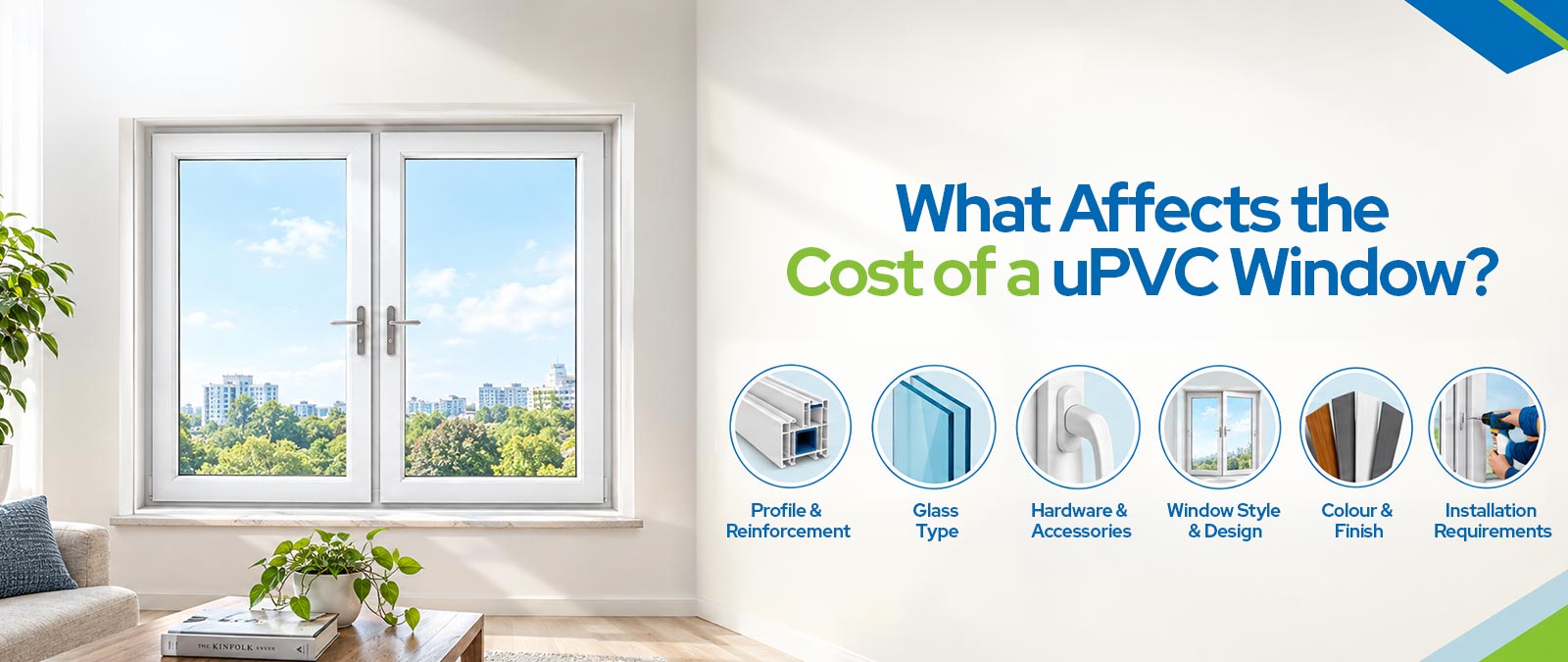
The price of uPVC windows in Hyderabad depends on the design and the specifications you choose. Compare quotes only when they include similar technical specifications.
Primary Cost Drivers
- Design & Opening Style: Sliding, casement and tilt-and-turn windows have different configurations and requirements.
- Profile & Reinforcement: The frame’s chamber design, profile range and internal steel reinforcement affect the overall specification.
- Glass Specification: Single glazing, double-glazed units, toughened glass and acoustic laminates have different requirements and costs.
- Hardware & Components: Handles, multi-point locks, friction stays, rollers and integrated mesh systems affect the quote.
- Aesthetics: Standard white profiles and premium laminated wood-grain or textured colour finishes may have different prices.
- Execution: Installation, weather sealing and warranty coverage also affect the overall cost.
When comparing quotes, check the complete specification, including glass, reinforcement, hardware, installation and warranty coverage. Ask for an itemised quote so you can see what each supplier has included.
Apartment buying checklist
Before buying uPVC windows for your apartment, go through this checklist:
- Ask who selected the windows. In a new project, the builder usually specifies them. Ask for the brand, window type and glass details before possession. Also check whether the builder allows upgrades.
- Check the profile details. Ask how many chambers the frame and sash have and whether the profile is lead-free.
- Confirm the steel reinforcement. Check whether the supplier has selected it for the opening size, floor and glass weight.
- Ask for the wind-load rating. This is particularly important for upper-floor apartments.
- Get the glass specification. Confirm its thickness and whether the window uses single or double glazing, toughened glass or laminated glass.
- Check the hardware. Ask about the material, quality and number of locking points.
- Inspect the seals and drainage. Check the gaskets, brush seals, drainage slots and monsoon track options on sliding windows.
- Choose the window type room by room. Sliding windows save space, while casement windows can provide a wider opening and good dust sealing when properly designed and installed.
- Check society rules before replacing windows. Many apartment associations regulate the building façade, including window colour and frame style.
- Ask who will install the windows. Confirm whether the manufacturer’s team or a third party will do the work. Also ask how they will seal the frame-to-wall joint.
- Check after-sales service. Ask whom you should contact if a roller or lock fails and how the company handles service requests.
- Get all details in writing. The quote should include the profile, glass, hardware, installation, GST and warranty terms for the profile and hardware.
Common mistakes
Avoid these common mistakes when choosing uPVC windows:
- Choosing on rate alone: A low per-square-foot quote may exclude important items or include different specifications. Compare the complete quote before deciding.
- Ignoring the glass specification: Check the glass carefully for east- and west-facing windows, which can receive strong direct sunlight.
- Choosing the wrong slider configuration: A three- or four-track window may suit a wide wall better than a two-track slider, depending on the opening and panel specifications.
- Ignoring drainage and tracks: Clean the tracks and check the drainage before the monsoon to help prevent water-related problems.
- Allowing unauthorised changes: Third-party repairs or re-installation may affect the warranty. Check the warranty terms before arranging such work.
- Accepting verbal promises: Ask the supplier to include the agreed specifications and warranty terms in the written quote.
Installation and care
Choose trained installers and inspect the windows before making the final payment. Check that the installer has fixed the frame securely to the wall and sealed the gap around it. Open and close every shutter and check that the locks work properly.
| When | What to Do |
|---|---|
| Every few weeks in the dry months | Wipe the frames and tracks with a soft cloth and mild detergent. Vacuum dust from sliding tracks. |
| May, before the monsoon | Clear the drainage slots and check the frame-to-wall seal and outside sill. |
| After the monsoon | Look for damp marks around the frames and arrange repairs if you find a leaking joint. |
| Once a year | Inspect the moving parts, rollers and locking mechanisms. Clean and lubricate them as recommended by the window manufacturer. |
| Never | Use metal polish, abrasive cleaners or harsh chemicals on the frame. |
uPVC windows from Aparna Venster in Hyderabad
Aparna Venster manufactures uPVC windows and doors at its Hyderabad plant using machinery imported from Germany. Its lead-free uPVC profiles use galvanised steel reinforcement.
The range includes sliding windows in 2, 3 and 4-track versions, casement windows, tilt-and-turn windows, combination windows, arch windows and villa windows. Customers can choose from clear, tinted, laminated or frosted glass, with single, double or triple glazing. Mesh options include stainless steel and fibre mesh, and the range also offers wood-finish laminates.
Venster arranges a site survey and measurements for each project. Certified installers carry out the installation. The company provides a 10-year guarantee against discolouration and structural degeneration of the uPVC, along with a one-year warranty for locks, hinges and handles. Confirm the current warranty terms and exclusions with the company.
If you are looking for uPVC windows for your project, contact the Aparna Venster team or visit the Jubilee Hills or Miyapur branch.
Frequently asked questions
Are uPVC windows good for Hyderabad’s heat?
uPVC windows can help improve indoor comfort when you choose the right frame, glass and installation. East- and west-facing windows can receive strong direct sunlight, so check the glass specification and consider external shading and ventilation. The best glazing option depends on your project requirements.
Do uPVC windows keep out dust?
uPVC windows can help reduce dust entry when the installer fits the seals properly. Casement windows close against compressed gaskets, while sliding windows use brush seals along the tracks. Check the seals along the tracks and interlock, and clean the tracks every few weeks during the dry months.
Which uPVC window is best for an apartment balcony?
Sliding windows usually suit balconies because the panels move along a track and do not need extra space to open. For a wide balcony, consider a three- or four-track slider based on the opening size and panel specifications. A separate mesh track can help keep insects out while you ventilate the space.
Two-track or three-track sliding window: which should I choose?
Choose a two-track slider for bedrooms and kitchens when a simple configuration meets your needs. A three-track slider may suit balconies near trees or areas where you want a separate insect mesh track alongside two glass panels. For wider openings, consider a four-track, four-panel slider after checking the panel sizes and hardware requirements.
Do uPVC windows need steel reinforcement?
Steel reinforcement adds stiffness to uPVC window frames and helps support the hardware. Larger windows and upper-floor installations need particular attention to reinforcement. Ask the supplier to explain how they selected the reinforcement for your opening, glass weight and applicable wind load.
Do uPVC windows turn yellow in the sun?
The resistance of uPVC profiles to discolouration depends on the material formulation and product quality. Ask the supplier how the profile resists sunlight and get the applicable discolouration warranty in writing. Check the warranty period, coverage and exclusions before buying.
Can I change the windows in a resale flat?
You may be able to replace the windows in a resale flat, but check with your residents’ association first. Many apartment societies regulate the building’s façade, including window colours and frame styles. Ask whether you need approval before arranging measurements or installation.
Does Aparna Venster make windows in Hyderabad?
Yes. Aparna Venster has a uPVC window and door manufacturing plant in Hyderabad, an experience centre at Jubilee Hills and a fabrication unit in Bengaluru. The company arranges a site survey and measurements, and certified installers carry out the installation. It also offers free service for the first 12 months. Confirm the current service terms with the company.
Related posts:
 Cost of a uPVC Window: What Affects the Price and What to Check
 How Multi-Chambered uPVC Profiles Reduce Indoor Heat in Indian Homes
 Double Glazed uPVC Windows: Not All Windows Perform the Same
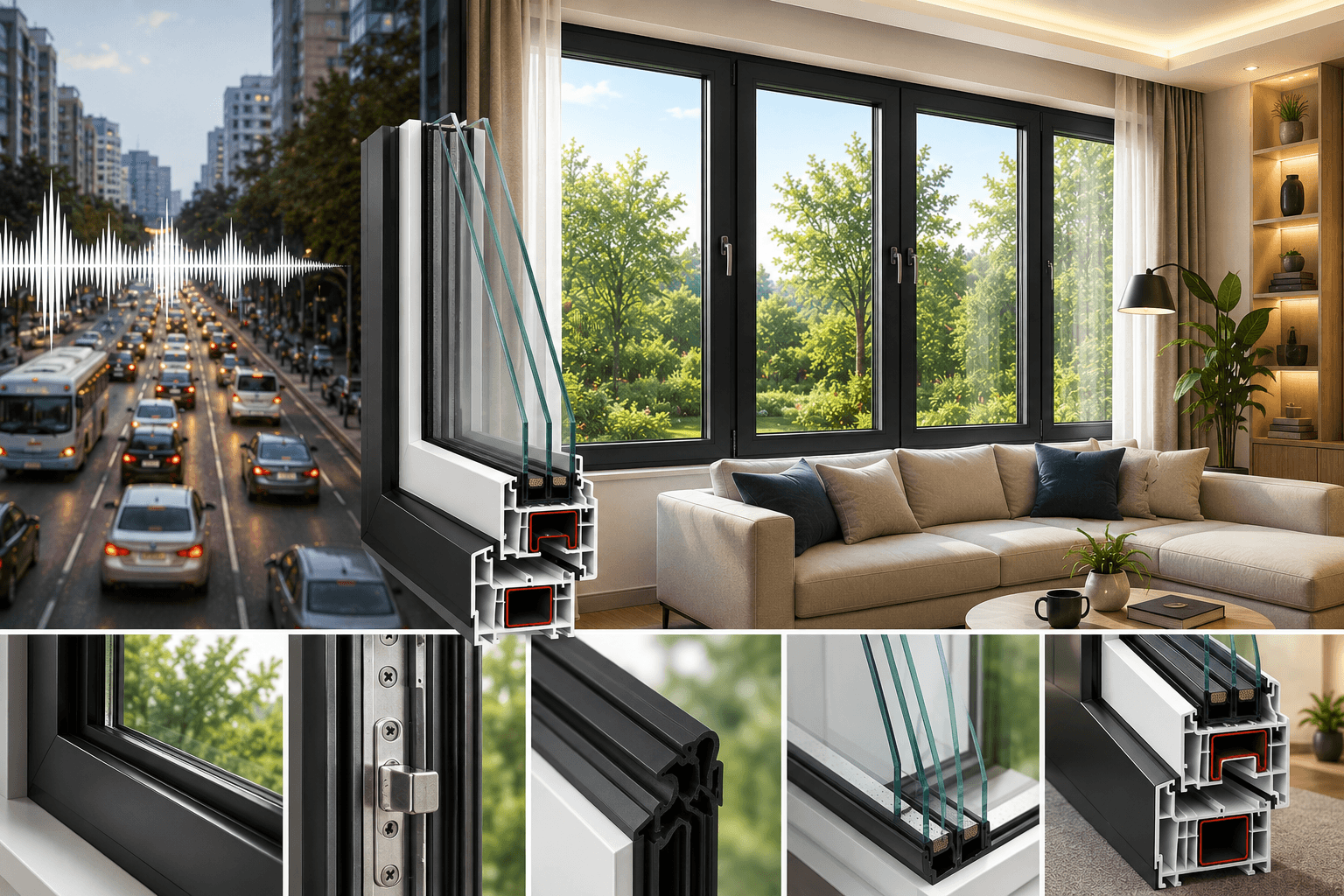 How Soundproof uPVC Windows Cut Traffic Noise in Bengaluru
 Best Interior Design Ideas to Match uPVC Windows and Doors
 English