
Which uPVC Window Brand Is Best in India for a New House?
Somewhere between the slab being cast and the plasterers arriving, nearly every homeowner asks us which uPVC window brand is best in India for a new house. It’s a fair question, and this guide answers it.
The honest answer involves opening a window up and looking at its parts, so that’s where we’ll start.
Four things decide whether a window keeps your bedroom cool and quiet for twenty years. There’s the profile that forms the frame, the galvanised steel hidden inside it, the glass chosen for that particular wall, and the team that fixes it into your masonry.
Picture two windows from well-known names on the same street. By the second summer they can behave like completely different products. One went in with proper reinforcement, double glazing on the west wall and installers who sealed every gap, while the other was rushed.
Nobody can tell them apart on handover day. The difference shows up in the first monsoon, often as a damp patch under the sill, and fixing it by then means chipping plaster.
This guide is written for first-time buyers building a house, villa or apartment. It walks through what separates a good window from an average one, then gives you the questions to put to every company that sends a quotation.
A word on who’s writing. This guide comes from Aparna Venster, the uPVC windows and doors brand of Aparna Enterprises Limited, part of the Hyderabad-based Aparna Group.
Yes, we sell windows. We’ve still tried to write the guide we’d give a friend before they signed any order, ours included.
At a glance
If you read nothing else, read these five points:
- IS 17953:2023 is the BIS standard for uPVC window and door profiles. Any serious brand should be able to show you that its profile meets it.
- Cut a profile open and you should see several hollow chambers, with galvanised steel reinforcement in both the frame and the sash.
- Double glazing, which means two panes with a sealed gap between them, earns its cost in bedrooms, AC rooms and any wall that takes the afternoon sun.
- Find out who will actually fabricate and fit your windows. That company, whatever the brochure says, is the one you’ll be calling when something goes wrong.
- Get the warranty in writing, with separate terms for the frame, glass, hardware and installation.
What Makes a uPVC Window Brand “Best”?
No single brand is the right pick for every house in India. The best one for you is whichever company will put its profile, glass, hardware, fabrication and installation standards on paper, back them with a clear warranty, and send someone to your door when you need help.
We know that sounds like fence-sitting. It’s also how experienced architects and contractors buy.
They ask for the specification sheet, visit a building the company finished a few years back, and find out who answers the phone when a lock jams.
You can follow the same routine with the scorecard below. Print it, take it to each showroom and add a column for every quotation you collect.
Watch how each company handles these rows. Specific, written answers with very little talk of “premium” or “superior” usually mean the people behind them trust their product.
Why uPVC Windows Suit a New House in India
uPVC is a sensible choice for most Indian homes. It keeps heat out, seals well against dust and driving rain, won’t rust, doesn’t interest termites and needs little more than a wipe now and then.
It has trade-offs too, and they’re easier to deal with before the frames go in.
On a May afternoon, put one hand on a uPVC frame and the other on an aluminium frame in the same sun. The aluminium will be noticeably hotter.
uPVC conducts very little heat, so less of it reaches the room and your AC works less hard. On a busy main road, good rubber seals and double glazing will also take a real bite out of the traffic noise.
The monsoon suits it as well. Timber swells and untreated metal corrodes, but uPVC does neither, and termites ignore it. Most of the upkeep comes down to keeping grit out of the tracks and drainage holes.
The drawbacks are real, though. Frames are on the bulky side, so razor-thin sightlines and floor-to-ceiling walls of glass are hard to achieve in uPVC.
The material also expands in heat. Large windows and dark-coloured frames therefore need extra steel inside and expansion gaps planned on the drawing board. If your window team is working this out on site, treat that as a warning sign.
Comparing uPVC Window Brands in India: What Actually Differs
Line up quotations from five brands and the plastic will look much the same in all of them. The real differences lie in who extrudes the profile, who turns it into a window, and who answers for it once it’s in your wall.
Plenty of buyers assume the logo on the frame means one company made and installed the whole window. Often that isn’t the case.
So it pays to know how a brand actually operates. That tells you more about the window you’ll get than any “top 10” list.
A word of caution. Wall thickness, chamber count and steel size can change from one product series to the next within the same brand, so compare the exact series on your quotation rather than the brand’s reputation.
Profile Makers vs Fabricators vs Integrated Brands
Most of the larger names in India follow one of these three models, and any of them can produce a good window or a poor one. A careful local fabricator using a good profile can turn out excellent work, while a big national brand can still send a crew that’s racing to finish before lunch.
What really separates the models is accountability. Before signing, ask who signs your warranty and whether it covers the frame, glass, hardware and installation separately.
If the profile maker only guarantees the profile, everything else falls to your fabricator. Make sure that’s written down.
Where Aparna Venster Fits
Aparna Venster is an integrated brand within Aparna Enterprises Limited and the wider Aparna Group. We run our own uPVC manufacturing plant in Hyderabad, set up in 2016 with German technology, and a fabrication unit in Bengaluru with equipment imported from WEGOMA, Germany (about Aparna Venster).
Our profiles are lead-free and reinforced with galvanised steel. Quality checks are done on NABL-certified laboratory equipment.
The range covers sliding, casement, tilt and turn, arch, combination and villa windows, plus sliding, casement and slide and fold doors.
Our warranty is in writing as well. uPVC products are covered against discolouring or structural degeneration for 10 years after installation, and locks, hinges and handles against malfunction under normal use for 1 year (warranty terms).
The same document lists what voids that cover, such as misuse, removal and refitting by an unauthorised provider, or civil work done after installation. Glass units and installation workmanship aren’t listed separately there, so ask us to confirm those terms in writing, exactly as you would with anyone else.
Our teams work across Telangana, Andhra Pradesh and Karnataka. If you’re building there, one company answers for the profile, the finished window and the fitting.
If your site is well outside that area, a dependable local fabricator who can reach you within a day or two may serve you better after handover.
Profile and Build Quality: What to Check
A well-made profile has several hollow chambers, galvanised steel sized to the window, a lead-free UV-protected compound, clean welded corners and soft EPDM seals. The quickest check is a cut sample and a cross-section drawing of the exact series you’ve been quoted.
Hold a cut profile end-on and you’ll see a row of hollow pockets. Those are the chambers. More of them generally means better insulation and a stiffer frame, and they keep drainage channels well away from the screw fixings.
Wall thickness is the thickness of the profile’s outer skin. Thicker walls weld more reliably and take knocks better.
The European standard EN 12608-1 sets its top grade, Class A, at 2.8 mm or more for visible walls. Keep that number in mind when a salesperson quotes you one.
Steel reinforcement sits out of sight inside the frame and sash. Skimp on it and tall or wide windows can bow in strong wind or summer heat.
The steel must be galvanised. Plain steel can rust away inside the profile, and nobody notices until the damage is done.
UV protection counts for more in India than in most places. Our sun is harsh, and a poorly stabilised profile can yellow or turn brittle within a few years. Lead-free uPVC is also the safer option for a family home.
The corners and seals take a minute to check. Welded corners should be clean, even and square, and the gaskets should be EPDM rubber, which stays supple through years of heat.
IS 17953:2023 and Other Standards
IS 17953:2023 is the Bureau of Indian Standards specification for uncoated, light-coloured uPVC profiles used to make windows and doors (Intertek Inform listing). It sets requirements and test methods for dimensions, wall thickness, weldability and similar properties.
The standard applies to the profile alone. It says nothing about the finished window or the quality of installation.
To check a claim, ask for the BIS license number of the exact profile series or a recent test report against IS 17953:2023 from an accredited lab. If someone says a product “meets international standards”, ask which ones and ask to see the report.
Glazing and Hardware for Double Glazed uPVC Windows in India
Double glazing earns back its cost fastest in a bedroom that faces a main road or takes the afternoon sun. Two panes with a sealed gap let through far less heat and noise than a single sheet of glass.
Hardware is the part most buyers overlook, and usually the first to wear out. Look for multi-point locking, which holds the sash shut at several points rather than one, plus hinges, friction stays and rollers that won’t rust.
Ask for the make and model to be written into the quotation. Otherwise you can’t compare one quote with another fairly.
Choosing the Right uPVC Window Type for Each Opening
Two questions settle most openings. How much air do you want through it, and is there room for a sash to swing open?
Casement and tilt and turn windows seal tightest and open fully. Sliding windows save space, while fixed and top-hung windows suit light, privacy and small vents.
If two types both fit, think about cleaning day. From the second floor up, glass you can’t reach safely from inside quickly becomes a headache.
Tilt and turn windows and inward-opening casements solve that neatly. If you prefer sliding or outward-opening windows up high, work out how the outside will be cleaned before you order.
Choosing uPVC Windows for Indian Climate and Region
A house in Chennai and a house in Jaipur need different windows, even from the same brand. Instead of one specification for the whole house, match the colour, glass and drainage to each wall.
In hot, dry places such as Hyderabad, interior Karnataka or Rajasthan, white or light-coloured profiles with strong UV protection last longest. Use low-E double glazing on sun-facing walls and make sure the frames seal tightly against fine dust.
On the coast, in Chennai, Visakhapatnam or Mumbai, uPVC copes with salty air very well. The metal parts are the weak link, so ask for stainless steel or corrosion-resistant hardware, screws and rollers.
Where the monsoon is heavy, check the drainage slots, the slope of the sill and the window’s water-tightness rating. For flats on higher floors, confirm that the profile and steel are sized for the wind load.
West-facing walls take the worst of the afternoon heat. A low-E double glazed unit shaded by a chajja or louvres will keep a room far cooler than tinted single glass.
India’s energy code for homes, Eco-Niwas Samhita 2018, caps heat gain through walls and windows for most climate zones at an RETV of 15 W/m². Meeting that limit depends on the glass at least as much as on the frame.
Dark colours and wood-look finishes absorb more heat and expand more. They can look lovely, but ask for extra reinforcement and a written warranty on the colour.
For more on how orientation should shape your choices, see our post on 10 window ideas for north and south facing homes in India.
Local Supply: uPVC Window Manufacturers in Hyderabad
If you’re shortlisting uPVC window manufacturers in Hyderabad, favour one with a factory and showroom nearby. You can open and close finished windows yourself, and service visits happen sooner.
Aparna Venster’s manufacturing plant is at Mamidipally, Hyderabad, and you can visit your nearest Experience Centre before you decide. For apartments in the city, our Hyderabad heat, dust and apartment checklist covers the local detail.
Planning uPVC Windows for a New House
Plan your windows on the drawings, well before the walls go up. Settle opening sizes, window types and glass for each room with your architect early, then let the window team take final measurements once the openings are built and plastered.
Keeping opening sizes the same from floor to floor makes fabrication simpler and later repairs quicker. For a breeze through the house, put opening windows on opposite walls.
Remember too that a sliding window only ever opens half its width. Casement and tilt and turn windows open fully.
On the ground floor, pair multi-point locks with laminated glass or grills designed for uPVC frames. Villa windows, which combine iron grills, double sashes and insect screens in one frame, are built for exactly this.
For doors, our guide on uPVC door locks and safety features explains what to check. Decide on mosquito mesh (pleated, sliding or fixed) before you order, because it can change the profile you need.
How to Choose a uPVC Window Brand: A Buyer’s Checklist
The most reliable way to choose is to get every claim in writing and compare quotations line by line. Take this list to every meeting.
- A written specification for each window: profile series, number of chambers, wall thickness and steel reinforcement.
- Proof of the standard: a BIS license number or an accredited test report against IS 17953:2023.
- Glass details for every window: type, thickness, gap and any coating.
- The make and model of the locks, hinges and rollers.
- A written warranty that lists, part by part, what’s covered and what isn’t.
- Who will install the windows (an in-house team or a fabricator), how they’re trained, and how they fix and seal the frames.
- Two or three finished homes you can visit, ideally ones that are a few years old.
- A named service contact and an address in your city.
uPVC Windows Warranty in India: What It Should State
Ask for the warranty as a separate document, not a line in the brochure. It should set out:
- How long the frame, hardware, glass units and installation work are each covered.
- What’s covered, such as discolouring, warping, weld failure, broken hardware and misting inside a double glazed unit.
- What isn’t, such as misuse, cracks in the building or damage caused by other workers on site.
- Who honours it: the profile maker, the fabricator or both.
- How to make a claim, and how quickly someone will respond.
Step-by-Step Process: From Site Measurement to Handover
Most new-house window projects move through the same eight stages. Ask your window company to confirm each one in writing, with rough timings.
- Enquiry: share your drawings and explain how each room will be used.
- Site survey: the team inspects the openings, notes which way each wall faces and checks site conditions.
- Design and quotation: window type, size, glass and hardware are listed for every opening.
- Drawing approval: you sign off the window schedule and elevations.
- Final measurement: taken once the openings are built and plastered.
- Fabrication: profiles are cut, reinforced, welded, glazed and fitted with hardware.
- Installation: frames are fixed, levelled and sealed with foam and silicone.
- Handover: test every window and lock, check the seals and collect your warranty card.
Common Mistakes to Avoid
Most uPVC window problems in new houses come from rushed decisions, and very few from the material. Watch for these:
- Choosing a brand name without checking who will actually build and fit the windows.
- Comparing quotations that use different profile series, glass or hardware.
- Putting single glass in west-facing or road-facing rooms.
- Ordering before the openings are final, then forcing frames into the wrong sizes.
- Skipping steel reinforcement on large or dark-coloured windows.
- Accepting a verbal warranty instead of a written one.
- Leaving frames exposed while painters and other trades finish the house. Ask for the protective film to stay on until the painting is done.
FAQs
Which uPVC window brand is best in India for a new house?
There isn’t one brand that’s best for every new house in India. Ask each company for its specifications and warranty in writing, and the list usually shrinks to two or three. Choose between those on service, meaning how soon a technician can reach your site once the windows are in.
What should I look for when choosing a uPVC window brand?
Start with the window itself: a multi-chamber, steel-reinforced, lead-free profile, glass chosen room by room, multi-point locks and neat welded corners. Then look at the people behind it, meaning who builds and fits the windows, what the warranty excludes, and how close the nearest service team is.
Which are the top uPVC window manufacturers in India?
Rankings shift from year to year and rarely explain their method. A more useful split is by business model. Some companies only make profiles for local fabricators, some fabricate from bought-in profiles, and integrated brands handle everything themselves.
Judge each one on your shortlist by its written specifications, proof of standards, installation quality and service in your area.
Are uPVC windows good for Indian homes?
Yes, for most of them. uPVC keeps heat out, seals against dust and monsoon rain, won’t rust or attract termites, and needs very little maintenance. To get the full benefit, choose a UV-protected, steel-reinforced profile and a properly trained installation team.
What is IS 17953 and why does it matter for uPVC windows?
It’s the Indian standard for the uPVC profiles that windows and doors are built from. It gives you something objective to check, since a profile either passes its tests for dimensions, wall thickness and weldability or it doesn’t.
It says nothing about the glass, hardware or fitting, so those still need checking separately. Ask your window company for the BIS license number or an accredited test report covering the exact profile series you’re buying.
Is double glazing worth it for uPVC windows in India?
For AC rooms, bedrooms on busy roads and walls facing west or south, yes. A double glazed unit cuts the heat and noise coming through the glass, and a low-E coating improves heat control further. Utility areas without AC can usually manage with single toughened glass.
How long do uPVC windows last in Indian weather?
A well-made, UV-protected uPVC window can last several decades in Indian conditions. Hardware, rollers and seals tend to need attention first, especially near the sea or in dusty areas. Beyond that, lifespan depends on the profile, the steel inside it, the installation and simple care such as keeping the tracks clean.
What warranty should I expect from a uPVC window brand?
Expect a written warranty with separate periods for the frame, hardware, glass units and installation, along with clear exclusions and a simple claims process. Check whether the profile maker or the fabricator honours it. A line in a brochure or a verbal promise shouldn’t count as a warranty at all.
So, Who Should You Buy From?
Back to the question we started with. The best brand for your house is the one that can show you, on paper and on a finished site, a well-built profile, the right glass, dependable hardware, careful installation and a warranty it will still honour years from now.
Run the scorecard and checklist above past every company you speak to. That includes us.
Building in Telangana, Andhra Pradesh or Karnataka and want a second pair of eyes on your window plan? Use Plan My Windows to send your drawings to the Aparna Venster team, or visit your nearest Experience Centre to try the windows for yourself.
We’ll go through your openings, the direction each wall faces and your glass choices, then help you build a specification you can hold up against any other quotation.
You can also call: +91 91333 31208 or email: info@aparnavenster.com.
Related posts:
 10 Window Ideas for North & South Facing Homes in India
 Top 10 uPVC Slide And Fold Door Ideas for Modern Homes in India
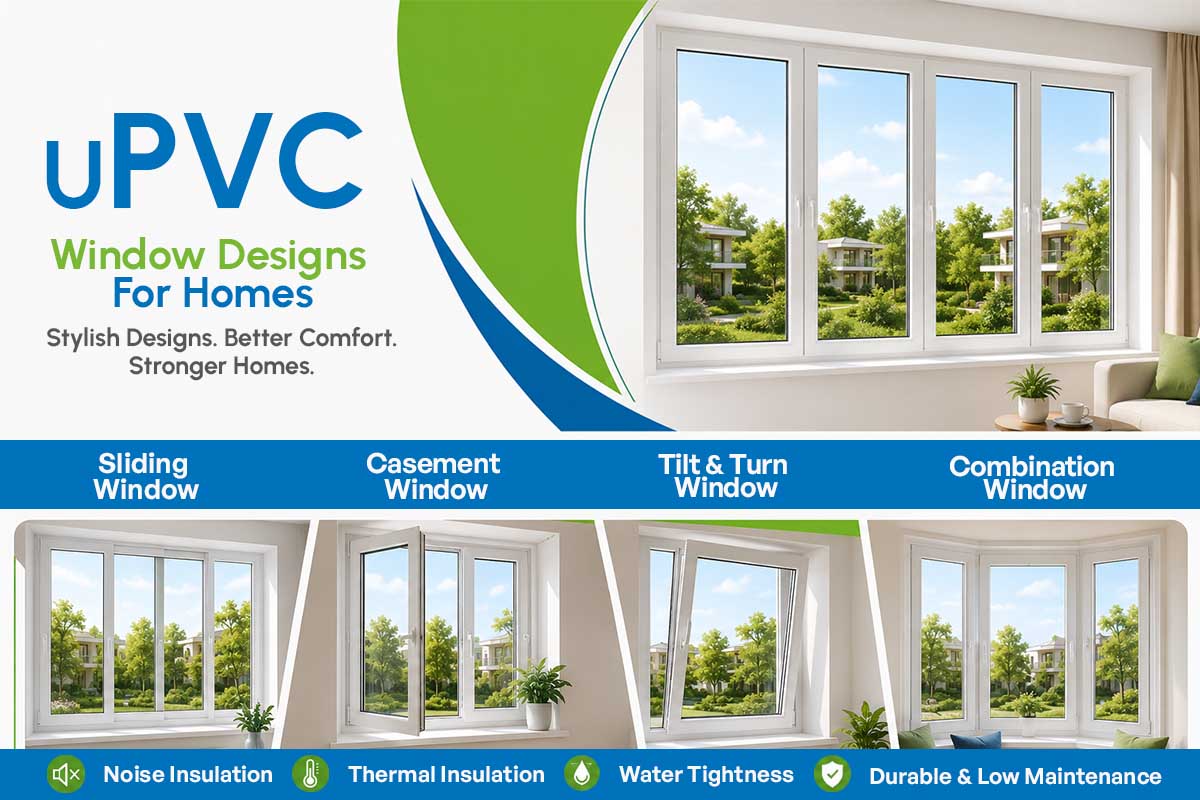 uPVC Window Designs for Homes: Types, Benefits and Buying Guide
 uPVC Window Security Features: How Safe Are Your Windows, Really?
 Cost of a uPVC Window: What Affects the Price and What to Check
 English