
Hidden Costs in Window Quotations: What Most Homeowners Don’t Know
A window quotation may look simply, consisting of cost per square foot, and may be a final discount. But the final price often reveals only a part of the story.
Many homeowners think that all uPVC windows offer the same performance and quality. So, they compare window quotations considering only the cost. But in reality, window quotations vary due to differences in profiles, glass specifications, hardware systems, installation methods, warranty coverage, and after-sales support.
So, it becomes necessary to understand these parameters; otherwise, surprise costs can arise during installation or later. You may have to spend additional money on maintenance, repairs, or addressing other issues related to poor performance in the long run.
This article explains the important factors you need to consider when comparing window quotations.
Contents
- 1 Why You Should Look Beyond the Price in a Window Quotation?
- 2 1. Profile Quality
- 3 2. Glass Specifications Can Change Pricing
- 4 3. Hardware Quality Often Determines Long-Term Satisfaction
- 5 4. Installation
- 6 5. Logistics and Transportation
- 7 6. Site Preparation and Modifications
- 8 7. Warranty Coverage
- 9 8. The Hidden Cost Nobody Talks About: Poor Window Performance
- 10 What Experienced Architects and Builders Look For
- 11 A Simple Checklist for Comparing Window Quotations
- 12 How Aparna Venster Helps Homeowners Make Better Decisions
- 13 Conclusion
- 14 Frequently Asked Questions
Why You Should Look Beyond the Price in a Window Quotation?
Many compare quotations and choose only the lowest one, but it may backfire because two quotations from different manufacturers or fabricators may include completely different products, specifications, and services.
As a window is made up of profiles, glass, hardware, reinforcements, accessories, and installation components, even a minor change to any of these can have an impact on durability, performance, and maintenance.
Besides the quotation, ask for inclusions and exclusions, and compare whether the solutions offered meet your long-term needs.
1. Profile Quality
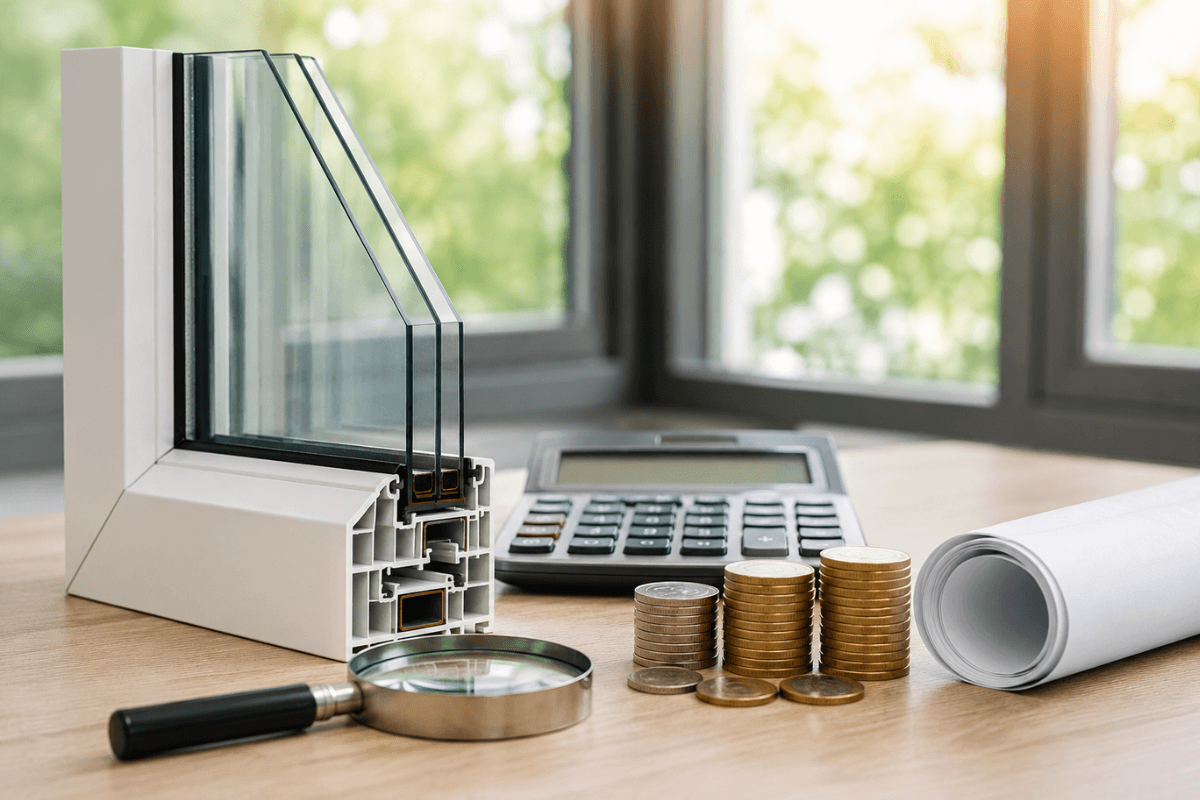
The profile is the main frame and sashes of a uPVC window. It plays a major role in durability and insulation. At first, all profiles may look similar, but they differ in quality.
Wall thickness, chamber design, UV resistance, reinforcement options, and raw material composition affect how well a window performs over time. High-quality profiles are engineered to resist warping, fading, and weather. Lower-quality profiles may reduce the initial quotation value, but they may fail to perform after some time.
2. Glass Specifications Can Change Pricing
Most of the quotes only state glass without discussing its type, thickness, or performance attributes. The glass mentioned in the quote may be the standard type. If you want your glazing to be energy efficient, transfer low UV, or fulfil any other requirement, then the quotation price may increase. Various glass alternatives are available, and their prices differ based on needs.
Toughened Glass
The purpose of toughened glass is to increase durability and safety. It breaks into small, blunt bits instead of sharp shards.
Laminated Glass
Laminated glass is made up of several glass layers joined by a unique interlayer. The glass improves security and safety when it cracks, since it stays mostly intact.
Double Glazing
Two glass panes divided by an insulating space are used in double glazing. This design minimises energy loss, enhances comfort, and lessens heat transmission.
Solar Control Glass
Solar control glass helps reduce the amount of heat entering a building and allows natural light to pass through. It is particularly useful in warm climates, helping maintain stable temperatures inside and reducing dependence on ACs.
Solar control glass lets natural light pass through the glass, which lowers the heat that enters a structure, helping maintain stable indoor temperatures and minimising reliance on air conditioning.
Acoustic Glass
Acoustic glass is specially designed to reduce outside noise. It is mostly used in homes located close to highways, airports, railway lines, or busy urban areas that affect indoor comfort.
3. Hardware Quality Often Determines Long-Term Satisfaction
Homeowners ignore hardware and consider only the frame and glass when buying a window. But the window’s hardware is as important as the frame for smooth functioning and the safety of the window.
Hardware components, such as handles, hinges, locks, rollers, and friction stay, can get damaged after continuous use. Premium hardware systems offer durability, smoother operation, corrosion resistance, and enhanced security. On the other hand, low-cost hardware may lower the quotation amount, but it leads to operational problems, repairs, and replacement expenditures.
When reviewing quotations, enquire about the hardware brand, material quality, testing requirements, and warranty.
4. Installation
Homeowners think that the quotation includes installation costs. Some suppliers include installation costs, and others may not include them. So, comparing quotations without the installation scope may lead to additional costs at later stages of the project.
Always enquire if the quotation includes installation, including labour, fasteners, foam filling, sealants, waterproofing materials, finishing work, and site cleanup costs.
5. Logistics and Transportation
Transportation costs vary based on the project size, location, and accessibility. Large windows and doors may require special handling and transportation, especially in large residential projects or high-rise buildings. Check if the quotation includes delivery charges, unloading costs, lifting equipment, crane services, and packaging.
6. Site Preparation and Modifications
Some window openings may need minor changes, particularly in renovation projects. Before installation, changes like removal of existing windows, masonry adjustments, preparation of the surface, repair of frames, and changes to the structure may incur additional costs. These expenses do not always appear on paper and arise only after site inspections.
7. Warranty Coverage
Warranty is often neglected during the buying process, but it can have a huge impact on the long-term ownership costs.
Some suppliers provide warranties on profiles, hardware, and manufacturing defects. Others may offer only limited coverage.
Before comparing quotations, review the duration of warranty, components covered, claim procedures, service response timelines, and exclusions.
Also, request maintenance tips to ensure the window profiles remain in proper shape and appearance even after several years of use.
8. The Hidden Cost Nobody Talks About: Poor Window Performance
There are some hidden expenses that the quotation might not even mention. It is a window system that doesn’t perform as expected. Low-performance windows result in higher energy bills, increased noise, water leakage, and high-maintenance requirements. In the long run, you may have to spend additional money to address these issues, and it can easily exceed the savings achieved initially by going with a cheaper quotation. Always take long-term performance into account when comparing quotes.
What Experienced Architects and Builders Look For
Professional architects and builders look for these factors and then compare quotations. They prefer structural strength, wind load resistance, thermal insulation, acoustic performance, hardware, and warranty support before going with a supplier.
A Simple Checklist for Comparing Window Quotations
Before choosing a supplier, ask the following questions:
- Which profile systems are available ?
- Which hardware brand is provided?
- Which glass is included?
- Does the quote cover installation and warranty?
- Does the quote include transportation costs?
- What is not part of a quotation?
- Who manages post-purchase assistance?
- What are the possible extra expenses?
How Aparna Venster Helps Homeowners Make Better Decisions
Aparna Venster offers quality products that offer performance, long-term value, comfort, and durability. It offers transparency in pricing (no surprises), end-to-end services, high-performance materials, a warranty, and after-sales service.
Conclusion
A window quote should not be evaluated solely on cost. Cheaper solutions lead to low energy efficiency, poor installation, and hidden costs. Long-term comfort and less maintenance can be ensured by preferring premium materials and trust partner like Venster.
Frequently Asked Questions
Why do window quotations vary so much?
The quotations vary because of differences in profile quality, glass specs, hardware systems, installation techniques, warranty coverage, and after-sales service. All these factors affect the window quotes.
What should be included in a window quotation?
A quotation should include profile information, glass specs, hardware specifics, installation scope, warranty, and transportation costs. Also, the fabricator or manufacturer should mention all exclusions.
Does installation quality affect window performance?
Yes, irrespective of the product quality, poor installation can lead to air infiltration, water leakage, operational problems, and lower energy efficiency.
Related posts:
 7 Stylish Bedroom Window Ideas for Bright, Cozy Space
 Ultimate uPVC Window Installation Checklist: What to Check After Installation
 Top 10 Bathroom Window Design Ideas for Indian Homes
 Bedroom Window Sizes Explained: A Complete Guide (2026)
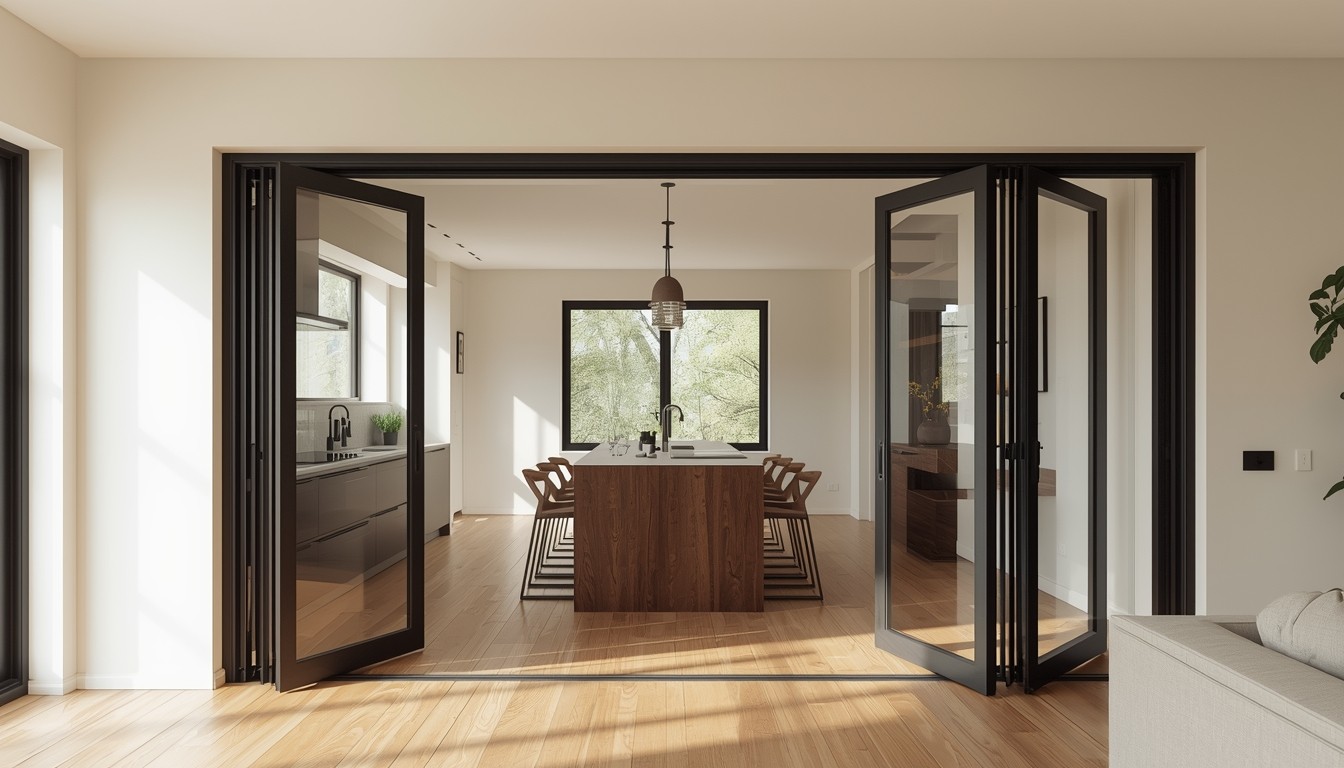 Kitchen Folding Doors Design Ideas
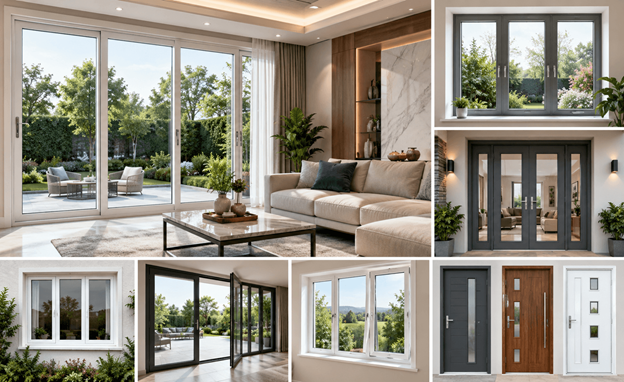 Best Interior Design Ideas to Match uPVC Windows and Doors
 English