
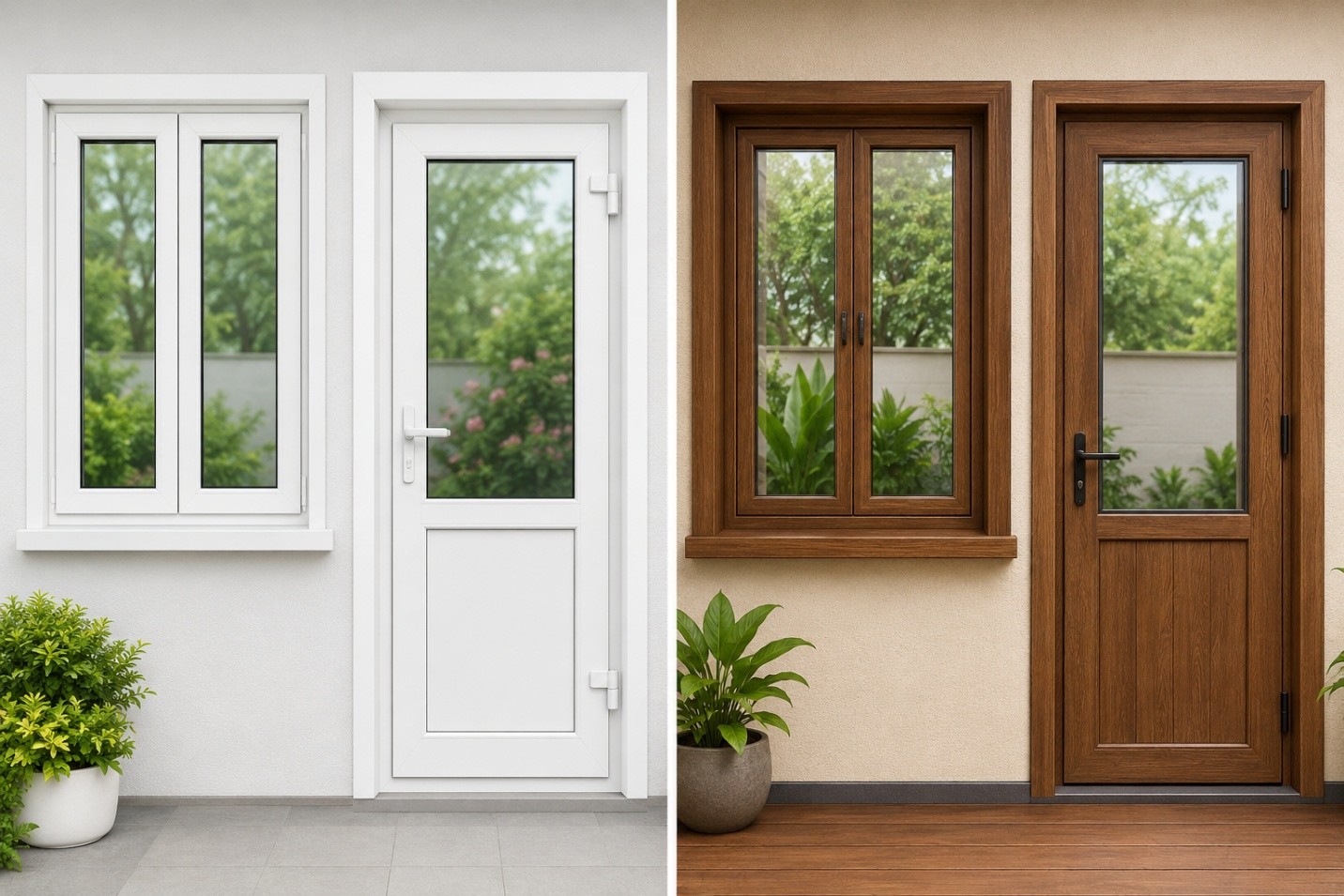
Upvc vs wpc doors windows
There is always confusion among homeowners on which material to select when renovating their homes. They often come across materials like uPVC and WPC because these materials are considered better alternatives to wood, as they last longer and need less maintenance.
However, both are used for different purposes inside a house. uPVC is mostly preferred for windows and exterior areas. On the other hand, WPC is commonly used for interior doors and decorative applications.
Contents
What is uPVC?
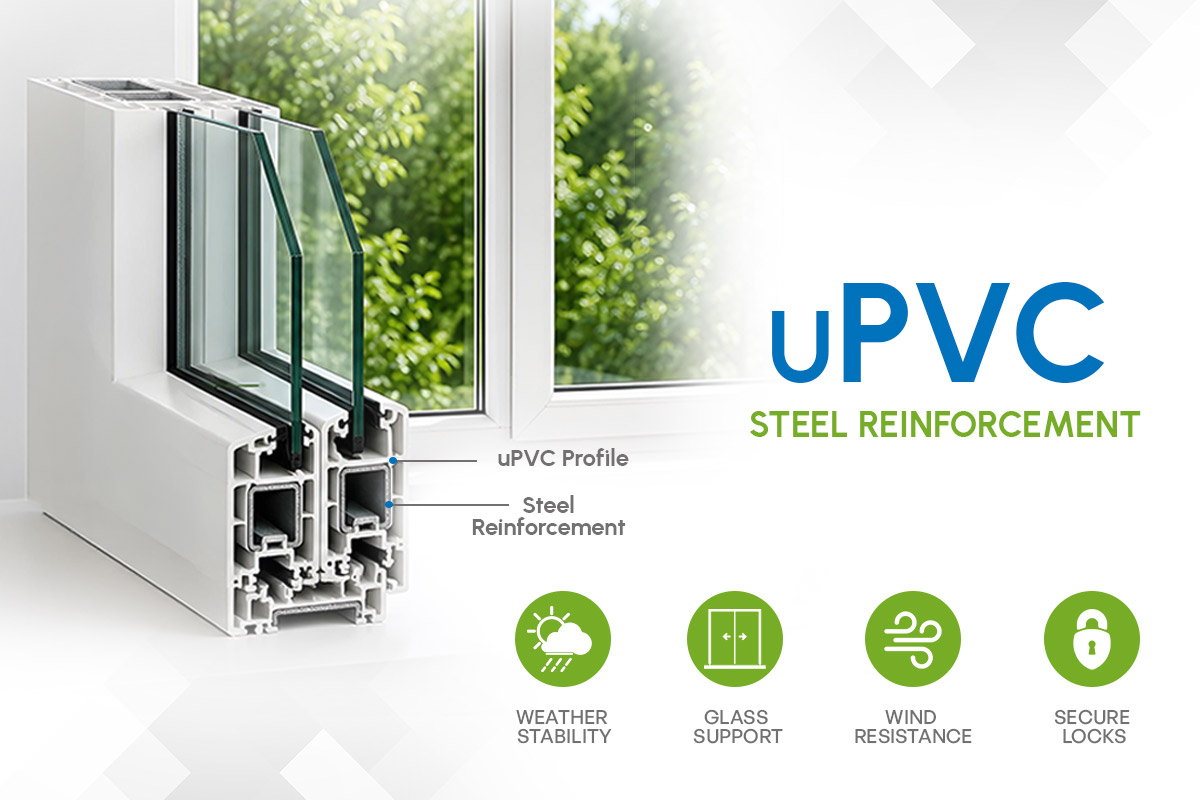
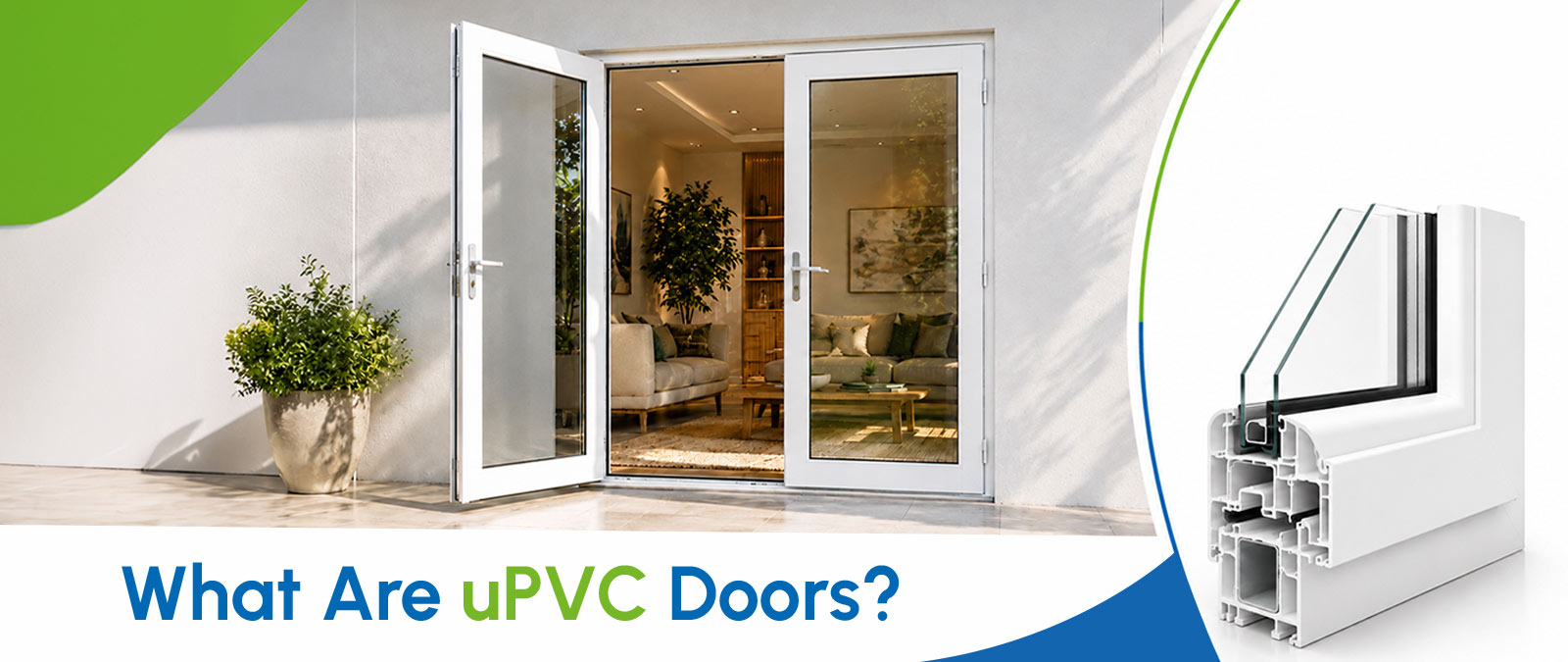
uPVC stands for Unplasticized Polyvinyl Chloride. It is a durable material used in the making of window and door frames.
Unlike wood, uPVC does not absorb water or get easily damaged, even when exposed to harsh sunlight and rain. It requires very little maintenance when compared to wooden frames.
Benefits of uPVC
Strong and Durable
uPVC windows and uPVC Doors can easily handle heat, rain, dust, and humidity without bending or cracking. This makes it suitable for Indian weather conditions, where temperatures keep changing. Many homeowners choose uPVC because it remains stable for years and does not damage easily like wood.
Low Maintenance
Wooden doors and frames usually require regular polishing and repainting after a period of time. But, uPVC does not need that level of maintenance. A simple cleaning with water and a cloth is enough to keep the surface clean and maintained.
Heat and Noise Insulation
uPVC windows help reduce outside heat from entering the room. They also enhance indoor comfort by reducing outside traffic noise when proper sealing systems are used. Also, double-or triple-glazing options can cut down noise and heat to a great extent.
Waterproof and Rust-Free
Heavy rain and moisture do not affect material easily because uPVC does not absorb moisture and does not rust like metal or wooden frames. Because of this, it performs well in humid and coastal regions.
Termite Resistant
Termites cannot damage uPVC because it is completely synthetic. This helps homeowners avoid pest-related problems that are seen in wooden frames. So, it increases the lifespan of doors and windows.
What Is WPC?
WPC stands for Wood Plastic Composite, and it is made by mixing wood fibres with plastic materials to create a durable board-like product.
WPC gives a wood-like appearance and offers better moisture resistance than regular wood and plywood.
Benefits of WPC
Better Moisture Resistance
WPC handles moisture much better than traditional plywood and MDF boards. It does not swell easily when exposed to humidity.
Because of this, many homeowners use WPC in bathrooms, kitchens, and utility spaces.
Wood-Like Appearance
WPC gives a natural wooden finish that improves the overall look of interiors. Many people prefer WPC because it offers the appearance of wood without the high maintenance.
Less Maintenance
Unlike natural wood, WPC does not require re-polishing or coatings, as they remain the same even after regular use. So they are a choice for those looking for long-term convenience.
Termite and Pest Resistant
WPC is more resistant to termites and pests compared to regular wood products. This improves durability in moisture-prone areas.
It also reduces the chances of internal damage over time.
uPVC vs WPC: Main Differences
| Feature | uPVC | WPC |
| Main Use | Windows & exterior doors | Interior doors & panels |
| Water Resistance | Fully waterproof | Moisture resistant |
| Appearance | Smooth modern finish | Wood-like finish |
| Maintenance | Very low | Low |
| Weather Resistance | Excellent | Good |
| Termite Resistance | Yes | Yes |
Where uPVC Works Best
Exterior Windows and Balcony Doors
uPVC is mainly used in outdoor areas because it handles sunlight, rain, and humidity very well. It also lasts for years without major maintenance.
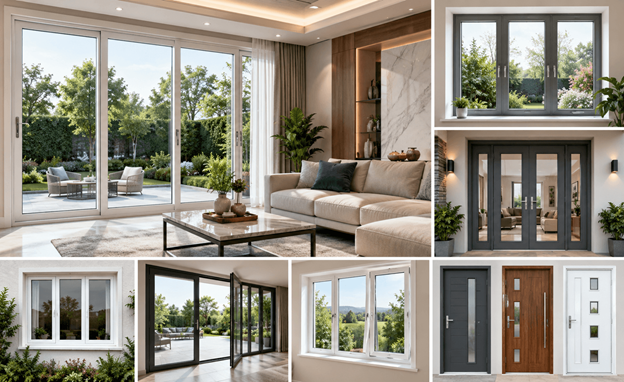
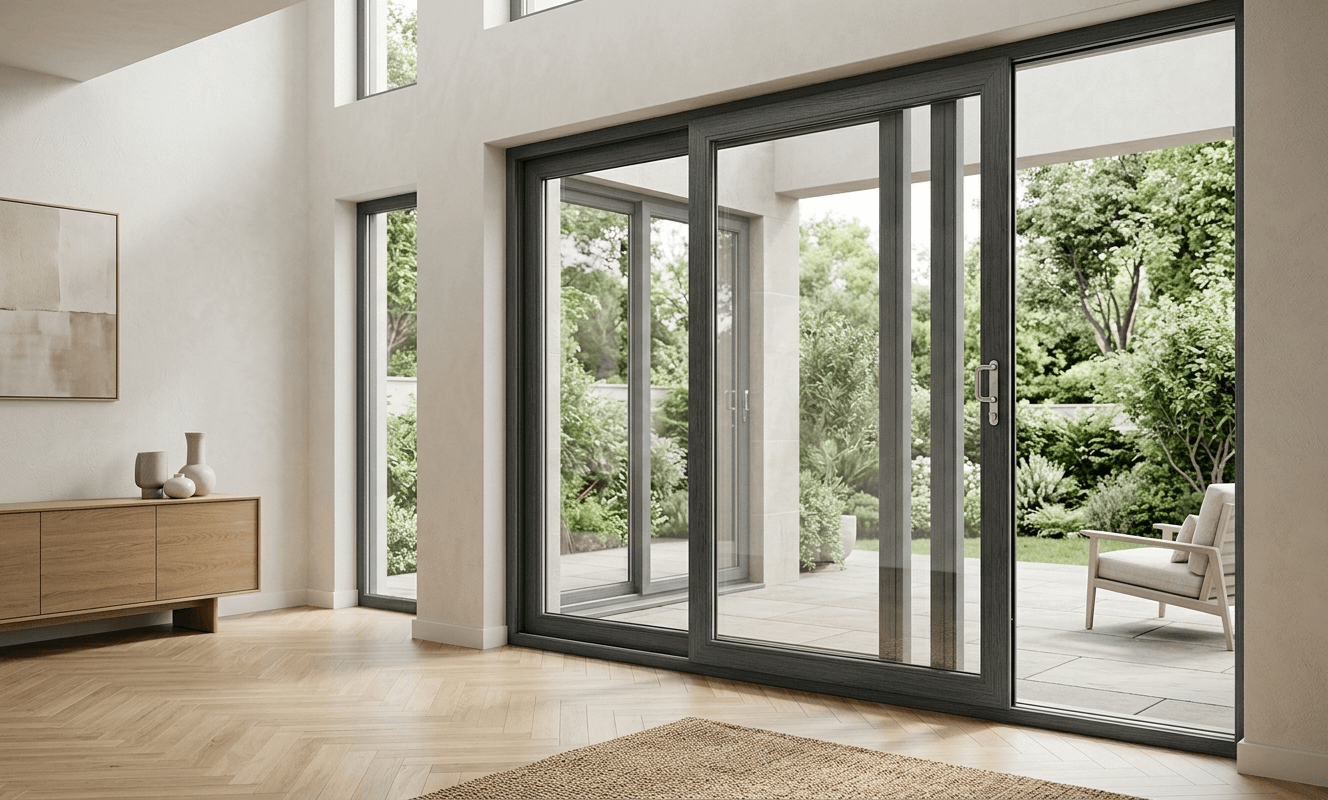
Most modern apartments now use uPVC for sliding systems and balcony windows.
Bathrooms and Kitchens
Bathrooms and kitchens usually have high moisture levels because of regular boiling and washing activities. uPVC performs well in such conditions because it does not absorb water.
It is also easier to clean compared to wooden frames.
Homes Near High-traffic Areas
uPVC windows help reduce outside traffic noise if installed properly. So they are useful for bedrooms and living rooms facing streets with high-traffic roads.
By reducing dust and leakage of air, they also help in making indoor spaces comfortable.
Where WPC Works Best
Interior Doors and Wardrobes
WPC is commonly used for bedroom doors, wardrobes, and cabinets because it gives a wood-like appearance with better durability. It also handles moisture better than plywood in indoor spaces.
Decorative Wall Panels and Partitions
WPC is also widely used for TV units, wall panels, and room partitions to enhance interior aesthetics. The material can be customised into different sizes and designs. WPC helps improve interior aesthetics without using natural wood.
Utility and Semi-Wet Areas
WPC works well in wet areas, like washing spaces, because it resists moisture better than wood.
Which One Is Better for Indian Homes?
For exterior applications, uPVC is usually considered the better option because it can withstand Indian extreme weather conditions. For interior spaces, WPC is preferred because they are better than wood.
Final Verdict
Choose uPVC if you require durable windows, balcony doors, and exterior systems because they can handle rain, heat, and humidity easily. Choose WPC if you want stylish interiors, decorative panels, and interior doors with a wood-like finish and lower maintenance than natural wood.
Upgrade with Aparna Venster’s uPVC Range
Modern homes need window systems that can resist tough Indian weather and require low maintenance. Aparna Venster’s uPVC are engineered to overcome these issues.
Venster’s windows and door systems provide durability, insulation, and long-term performance, so they are a perfect choice for villas and urban homes.
Frequently Asked Questions
What is the main difference between uPVC and WPC?
uPVC is entirely made of synthetic plastic, and WPC is a composite of wood and thermoplastic materials. uPVC is mainly used in making window and door frames. On the other hand, WPC is commonly used for interior doors and decorative applications.
Is uPVC or WPC better for exterior doors in India?
Both are better, but it again depends on your choice. Choose uPVC if you want your doors or windows to hold large glass. If you are looking for the main entryways, WPC is a better option because of its strength and its ability to mimic natural wood.
Which is more affordable — uPVC or WPC?
uPVC is more affordable for standard window and door systems. WPC will initially cost more than UPVC, but in the long run, they are known for offering better value.
Can WPC windows replace uPVC windows?
Yes, WPC can replace uPVC because of its strength and gives a natural look like wood. But uPVC is a strong, low-maintenance, and budget-friendly choice.
Which material is better for coastal Indian homes?
uPVC is better for coastal areas than WPC. uPVC is better in places like Mumbai, Goa, Chennai, and Kochi, as the material is corrosion-resistant and moisture-resistant, rigid, provides thermal insulation, and has low maintenance.
 English