
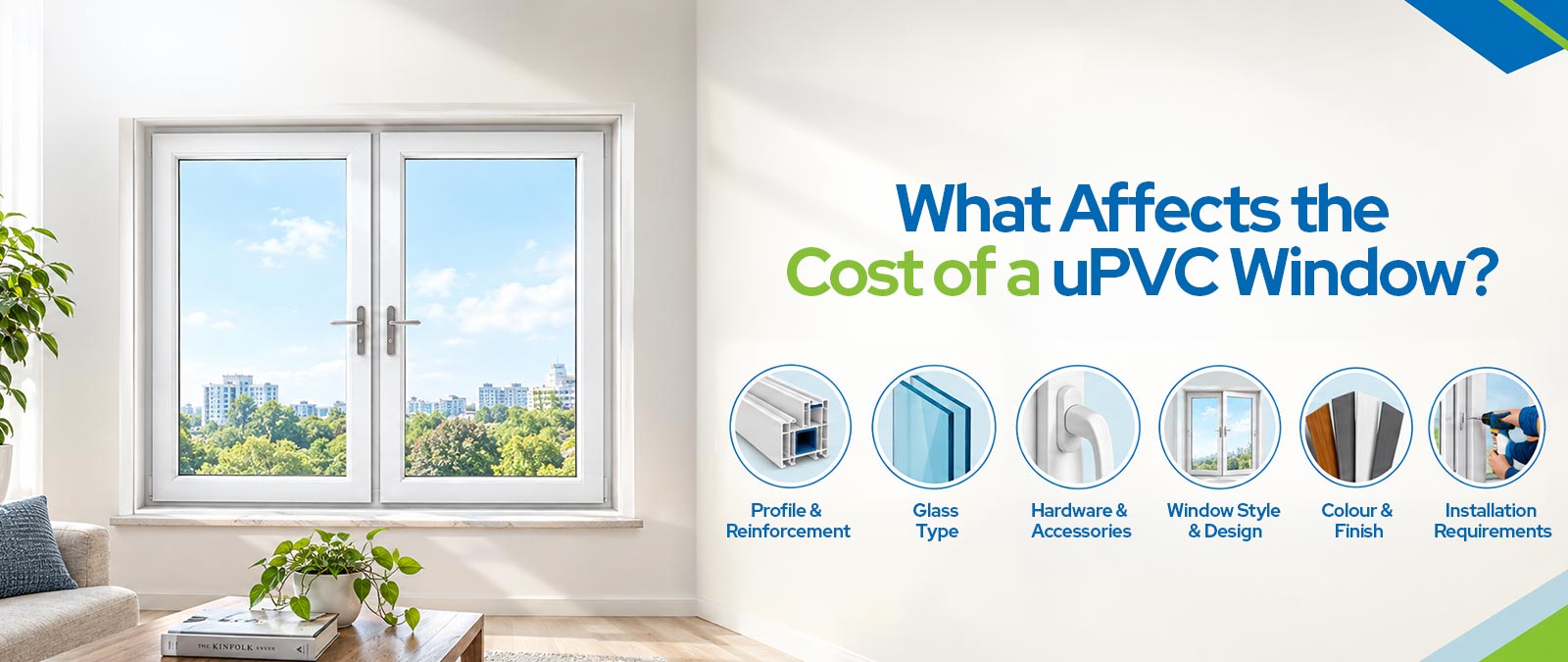
Cost of a uPVC Window: What Affects the Price and What to Check
If you are planning to install uPVC windows, you may find that two suppliers quote different prices for the same window size. This can be confusing, especially when both windows look similar.
The difference usually comes down to the frame, glass, hardware and work included in the quotation. To understand the cost of a uPVC window, you need to check these details along with the rate per square foot.
Here is what affects the price and what you should ask before placing an order.
Contents
- 1 What Determines the Cost of a uPVC Window?
- 2 How to Estimate Your Window Budget
- 3 What Should You Check Before Choosing a Window?
- 4 Read the Warranty Details
- 5 Check the Following Details in Each Quotation
- 6 Where Should You Spend More?
- 7 Common Mistakes to Avoid
- 8 Before You Place the Order
- 9 Frequently Asked Questions
What Determines the Cost of a uPVC Window?
The price depends on the window size, opening style, materials, finish and installation requirements. A basic rate may not include everything you need.
Before comparing prices, ask each supplier what their rate covers.
1. Profile System and Reinforcement
The profile forms the window frame and the sash, which is the movable part that holds the glass. The profile design, wall thickness and reinforcement used can affect the cost.
However, a thicker profile or a higher number of chambers alone does not tell you how well the window will perform. The frame, glass, reinforcement and hardware need to work together.
Ask the supplier which profile series they are offering and whether it is suitable for your window size and location.
2. Glass Type
Check whether the quotation mentions the glass type and thickness. “Glass included” is not enough information to compare two offers.
Options include single glazing, double glazing, toughened glass and laminated glass. Some glass options also have coatings to help control heat from sunlight.
Choose the glass based on the room’s requirements. For a room that gets strong sunlight, ask about solar-control options. For a bedroom facing a busy road, discuss noise reduction.
Double glazing alone does not guarantee good noise control. The glass combination, seals and installation also matter.
3. Opening Style and Design
Fixed, sliding, casement and tilt-and-turn windows use different fittings. The number of shutters, tracks and opening sections can also change the price.
| Window type | What affects the cost | What to keep in mind |
|---|---|---|
| Fixed | Frame, size and glass | Lets in light but cannot be opened for ventilation |
| Sliding | Tracks, shutters, rollers and mesh | Useful where there is limited space for a shutter to swing open |
| Casement | Hinges, locks, shutter size and glass weight | Needs enough clearance to open |
| Tilt and turn | Special hardware and a suitable profile system | Offers both tilt and swing opening options |
| Combination | Number and arrangement of fixed and opening sections | Can provide both a clear view and ventilation |
| Bay | Connected window units, shape and fitting work | Needs careful measurement and installation planning |
Do not assume that one style will always be cheaper than another. Compare quotations for the actual design and specifications you need.
4. Hardware and Accessories
Handles, locks, hinges and rollers affect how easily you can use the window. These fittings should be suitable for the shutter size and glass weight.
Ask which fittings and accessories are included. If you are choosing mosquito mesh, check how it opens, how to clean it and whether it can be replaced easily.
5. Colour and Finish
White, coloured and wood-look finishes can have different prices. Confirm whether the selected finish is provided on one side or both sides of the window.
It is better to see a physical sample before finalising the finish. Also, check the cleaning instructions and warranty coverage.
6. Window Size and Shape
Larger windows need more material, but that is not the only reason they may cost more. A bigger opening or heavier shutter may require different hardware, reinforcement or a change in design.
Arches, unusual shapes and additional shutters can also increase fabrication work.
Get the final measurements checked by the supplier before approving the order.
7. Installation Work
The quoted window price may not cover all the work needed at your home.
Transport, removal of old windows, access equipment, sealing and repairs around the opening may be charged separately. Taxes and accessories may also be added later if they are not included in the initial quotation.
Ask for the total installed cost and a written list of exclusions.
How to Estimate Your Window Budget
Start with a list of the windows you need. Note the approximate size, preferred opening style and requirements for each room.
For example, you may need privacy in a bathroom, noise control in a bedroom and easy access for cleaning in another room.
To calculate the opening area, use this formula:
Window area in square feet = Width in feet × Height in feet
For example, a window with a width of 4 feet and a height of 5 feet covers 20 square feet.
Multiply this area by the supplier’s quoted rate to get an approximate cost. Before doing this, check what the rate includes, as some items may be charged separately.
Ask if there is a minimum area charged per window or any additional charges. The final quotation should be prepared after checking the actual measurements and site requirements.
What Should You Check Before Choosing a Window?
Along with the price and appearance, check the materials, how the window works and the service available after installation.
Get the Specifications in Writing
Ask the supplier to mention the profile series, reinforcement details wherever required, glass type, glass thickness, hardware and finish in the quotation.
If they say the window uses lead-free material or helps reduce heat or noise, ask for documents supporting these claims for the particular product you are buying.
Try Opening and Closing a Sample
If the supplier has a sample window, try opening and closing it. See whether the shutters move freely and the handles and locks work without difficulty.
Also, ask about the drainage arrangement, gaskets and sealing around the frame during installation.
Trying a showroom sample gives you an idea of how the window works. Proper installation at your home is just as important.
Check Whether It Suits Your Building
The window should be suitable for the size of the opening and the conditions at your building.
If you live in a high-rise flat or the window faces an open area with strong winds, ask the supplier to confirm that it meets the project’s wind-load requirements.
Check whether you can clean and operate it safely. For outward-opening shutters, find out if the building has any restrictions. Mosquito mesh should not be used as a barrier to prevent falls.
Read the Warranty Details
Check what the warranty covers, along with how many years it lasts.
The frame profiles, glass, hardware, finish, and installation may have separate warranty terms. Find out whom to contact for service, what is not covered, and whether spare parts will be available.
How to Compare uPVC Window Quotations
Share the same window measurements and requirements with all suppliers. You can then compare their prices and what they are offering more easily.
Check the Following Details in Each Quotation
| Item | Details to Check |
|---|---|
| Size and Layout | Window measurements, number of shutters and which sections are fixed or can be opened |
| Profile | Brand, series and specifications |
| Reinforcement | Material and specification, wherever required |
| Glass | Glass type, thickness and the complete glass combination used for double glazing |
| Hardware | Handles, hinges, rollers and locks |
| Finish | Colour and whether the finish is on one side or both sides |
| Accessories | Mosquito mesh, grills and any other additions |
| Installation | Transport, fixing, sealing, removal of old windows and finishing work |
| Total Price | Taxes, additional charges and items not included |
| Warranty and Service | What is covered for each component and whom to contact for service |
If a supplier quotes a much lower price, go through the details to see what is included. A cheaper window may still meet your requirements. Similarly, paying more does not necessarily mean you are getting a better window.
Where Should You Spend More?
Start with the needs of each room.
If your bedroom faces a busy road, discuss the glass and sealing options for reducing noise. If a room gets strong sunlight, ask about glass that helps control heat from the sun. For a window in an exposed location, have the supplier check whether the complete system is suitable.
After covering these needs, see how much of your budget is available for colours, finishes and extra accessories.
Not every room may need the same window specifications. Choosing them according to the room’s use can help you keep costs within your budget.
Common Mistakes to Avoid
- Comparing rates per square foot without checking what the price covers.
- Selecting glass based only on thickness or looks.
- Thinking that more chambers in the profile always mean better performance.
- Depending on mosquito mesh for security or protection against falls.
- Forgetting to check additional installation and finishing charges.
- Approving the order before the supplier confirms the final measurements.
- Looking only at the warranty period without checking what is covered.
Before You Place the Order
The cost of a uPVC window includes the product specifications and the work required to install it.
List what you need for each room and get the specifications in writing. Then compare the prices, including installation. Checking these details before ordering can help you avoid confusion and extra expenses later.
If you are considering buying uPVC windows and want additional information on what affects the price, contact Aparna Venster. From manufacturing to installation, Venster handles everything under one roof, offering a transparent quote on the same.
Frequently Asked Questions
How much does a uPVC window cost?
The cost varies with the size, opening style, profile, glass, hardware and finish you choose. Installation work also affects the amount. Share your requirements with the supplier and ask for a quotation after they measure the openings.
Why do suppliers quote different prices for the same window size?
Even when the size is the same, suppliers may offer different materials and fittings. The price can also vary depending on the number of shutters, glass, accessories and installation work included.
Does double glazing cost more?
Usually, yes. Double glazing generally costs more than a similar window with single glazing. The extra amount depends on the glass combination and whether the frame or hardware needs any changes.
Is a more expensive uPVC window always better?
No. Ask what the extra price is for and whether you need those features in your home. Check the specifications, documents supporting performance claims and service terms before deciding.
How can I reduce the cost?
Ask the supplier whether a different layout, finish or choice of optional accessories would reduce the price. Keep the specifications needed for your building and regular use. Before accepting a change, check how it will affect the window.
Is installation included in the price?
Some suppliers include it, while others charge separately. Ask them to clearly mention whether the quotation covers installation, transport, sealing and taxes. Also, check the charges for removing old windows and repairing the area around the opening.
Related posts:
 Floor-to-Ceiling Windows: Types, Benefits, Cost and Design Ideas for Modern Homes
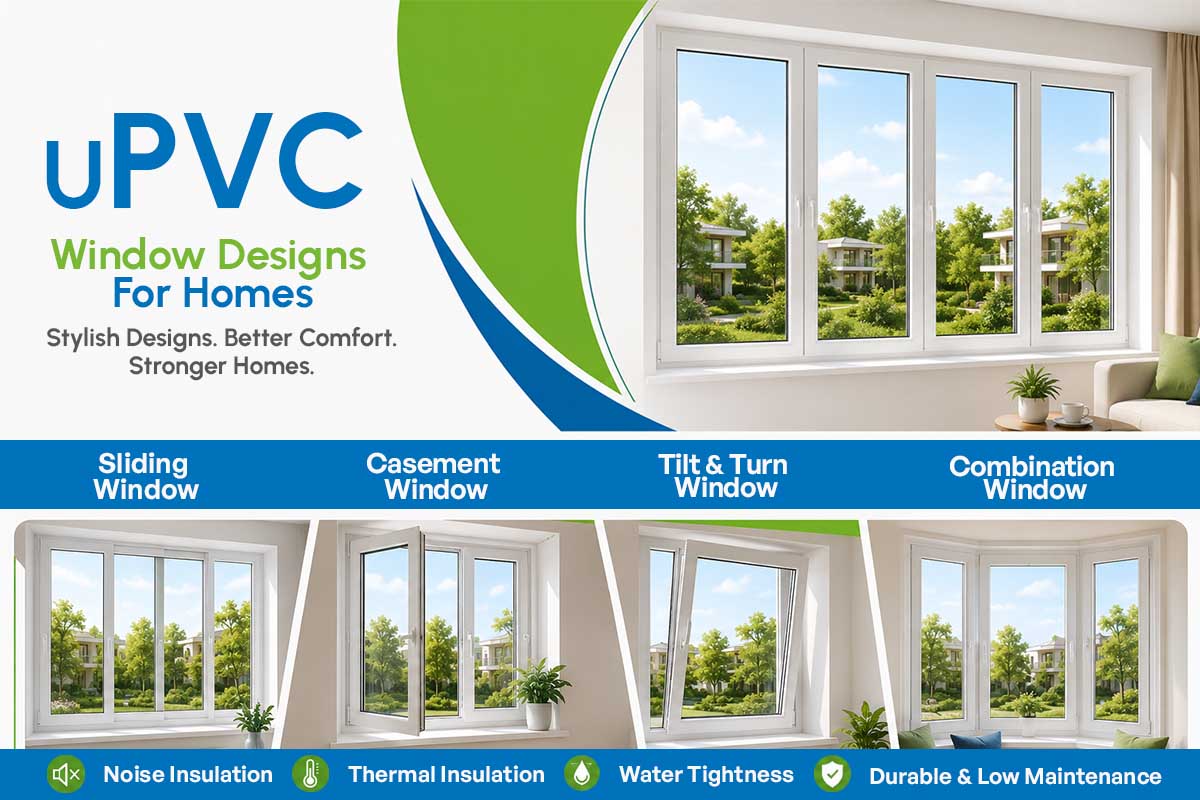 uPVC Window Designs for Homes: Types, Benefits and Buying Guide
 uPVC Window Security Features: How Safe Are Your Windows, Really?
 Bedroom Window Sizes Explained: A Complete Guide (2026)
 11 Balcony Window Designs That Actually Suit Indian Balconies
 English