


uPVC Tilt and Turn Windows
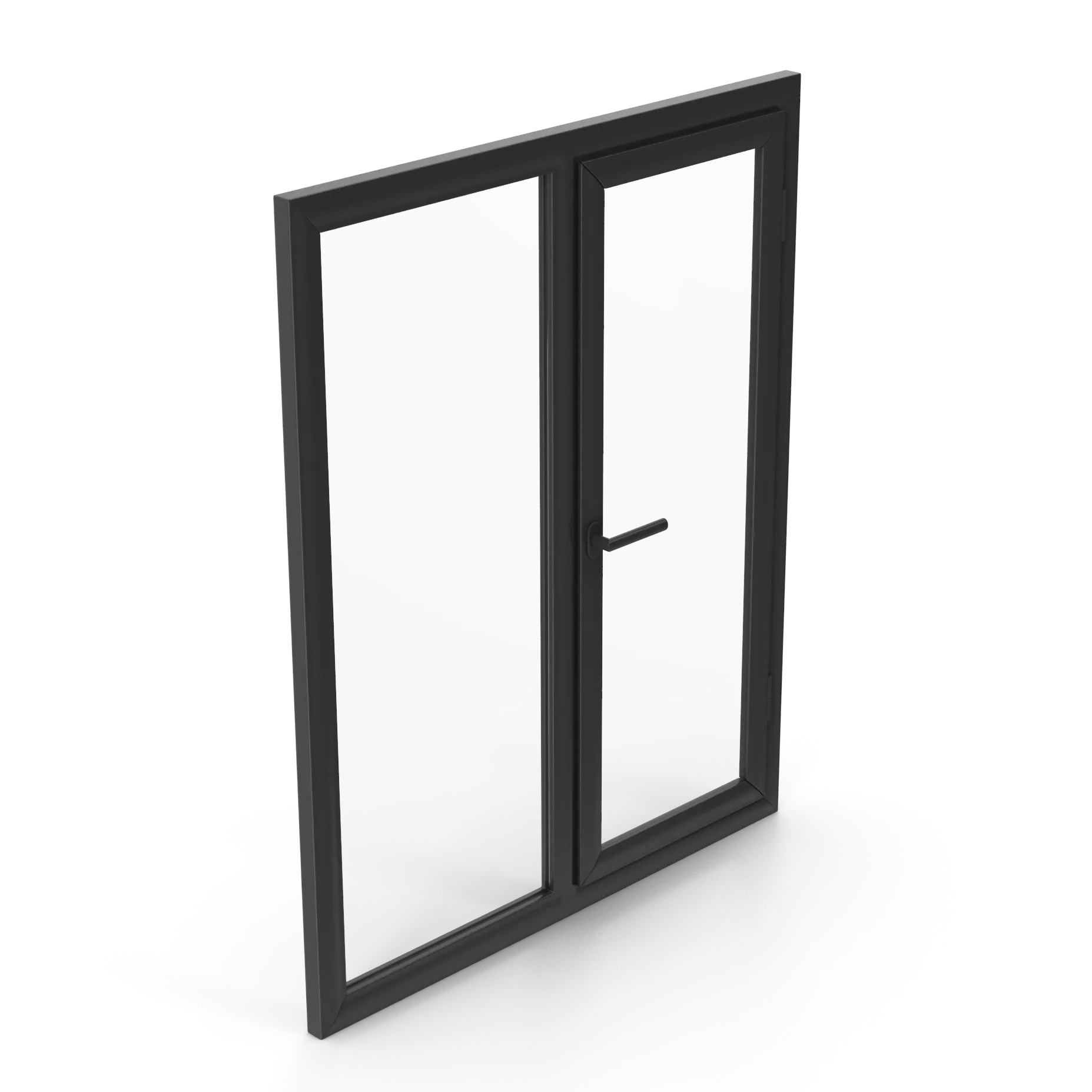
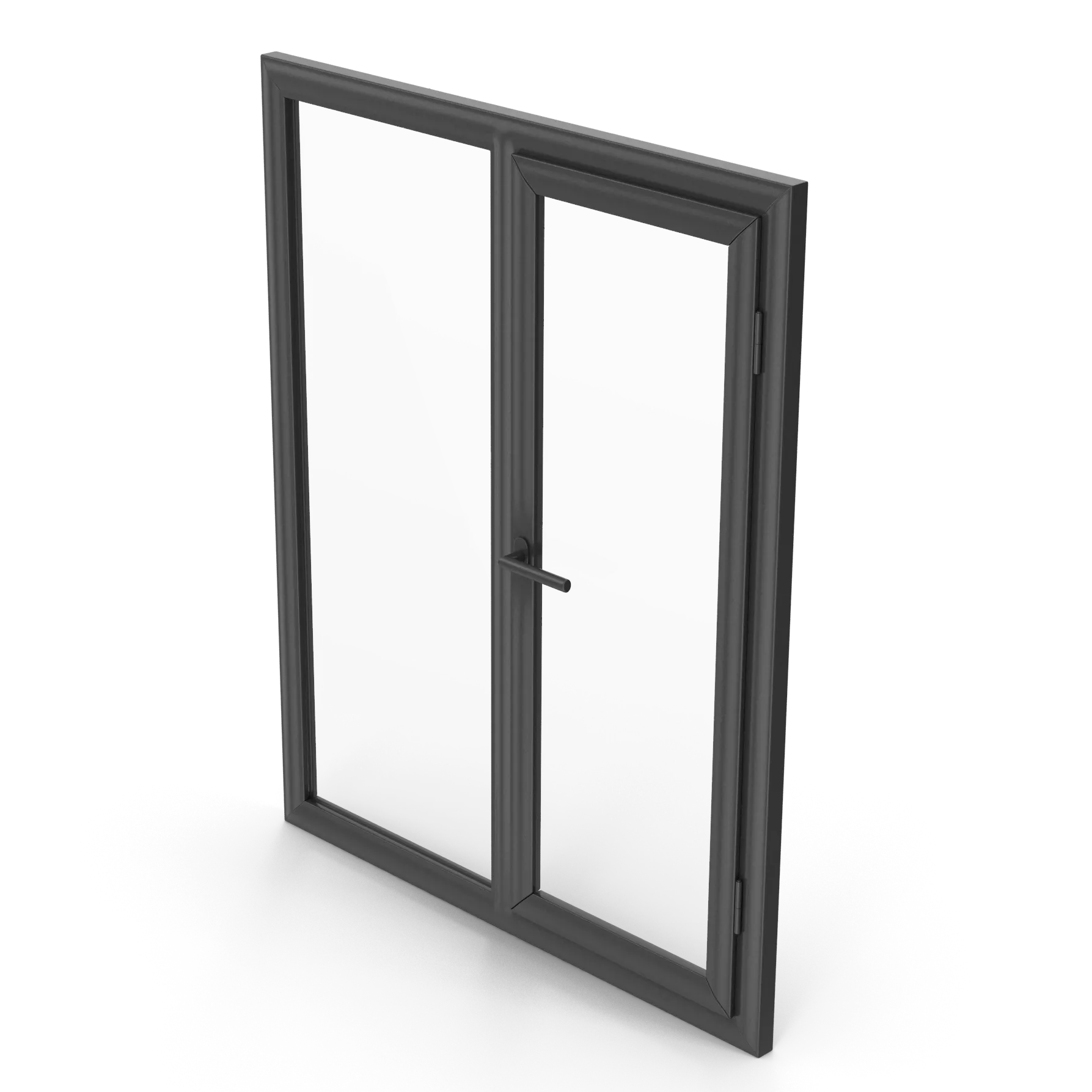
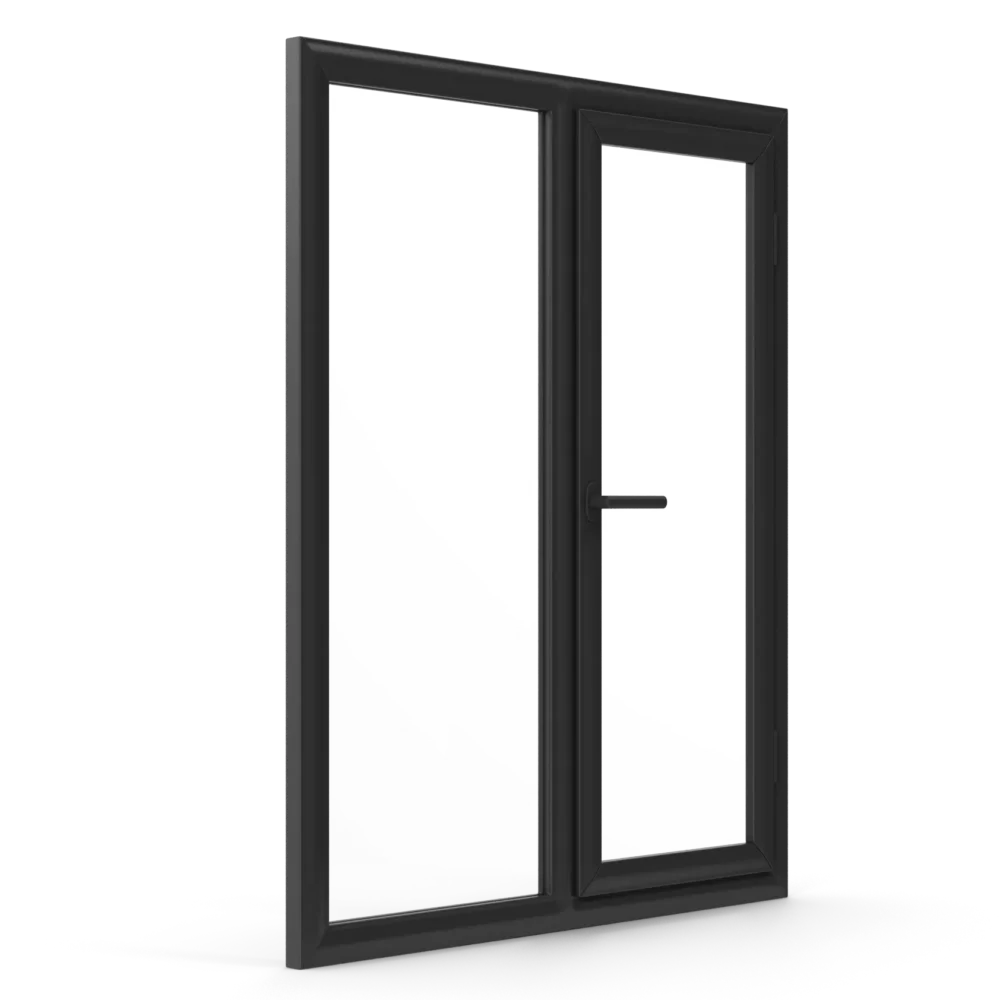
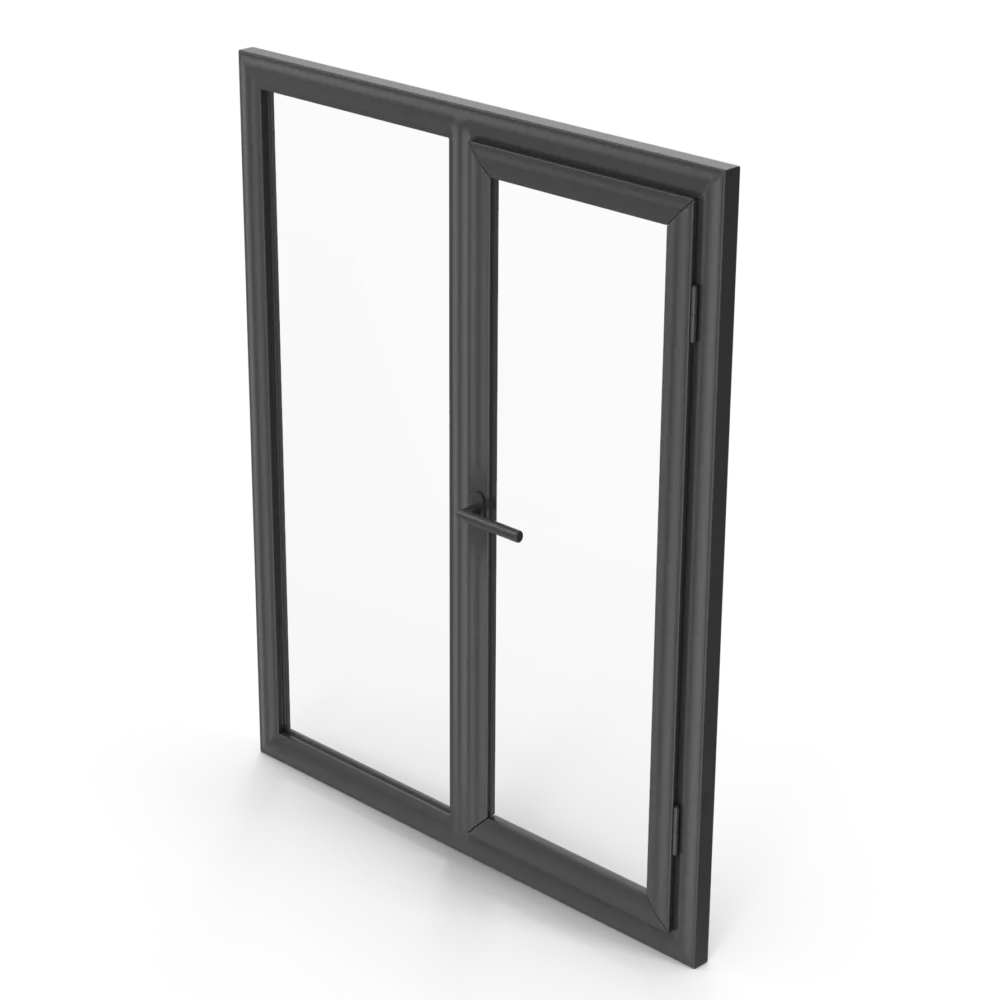
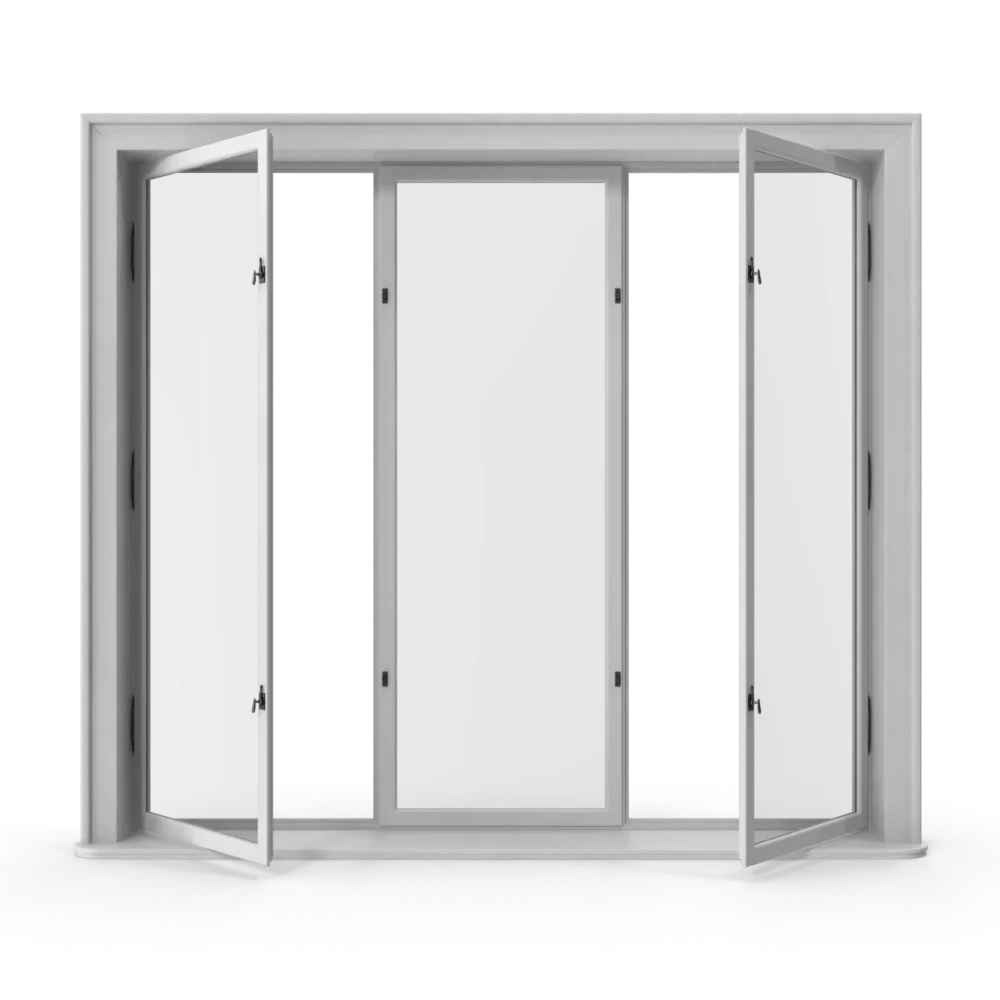
A tilt and turn window is a versatile 2-in-1 system that acts like both a door and a secure vent. The window is controlled by a single handle, allowing you to either swing the window wide open from the side or tilt it forward from the top just a few inches. This is possible because of a pivot hinge at the bottom that holds the window in place and a perimeter locking system that seals tightly on all four sides when closed.
These versatile windows are easy to use and offer practicality in daily life, as they help bring in fresh air without fully opening the space when not needed.
At the same time, they are strong and last long, which makes them suitable for both homes and offices.
Key Features & Benefits of uPVC Tilt & Turn Windows
- Offers maximum ventilation and quick cleaning
- Energy saving design helps insulate the room against the heat
- Tilt position allows fresh air and protection from rain
- Self-extinguishable
- Highly durable, designed to withstand extreme temperatures
- Triple glass option for better insulation from noise pollution
- Termite proof and corrosion resistant
Types of uPVC Tilt and Turn Windows
- Standard Tilt and Turn: With their dual-action venting, this type of uPVC tilt and turn window eliminates moisture and steam in kitchens and bathrooms.
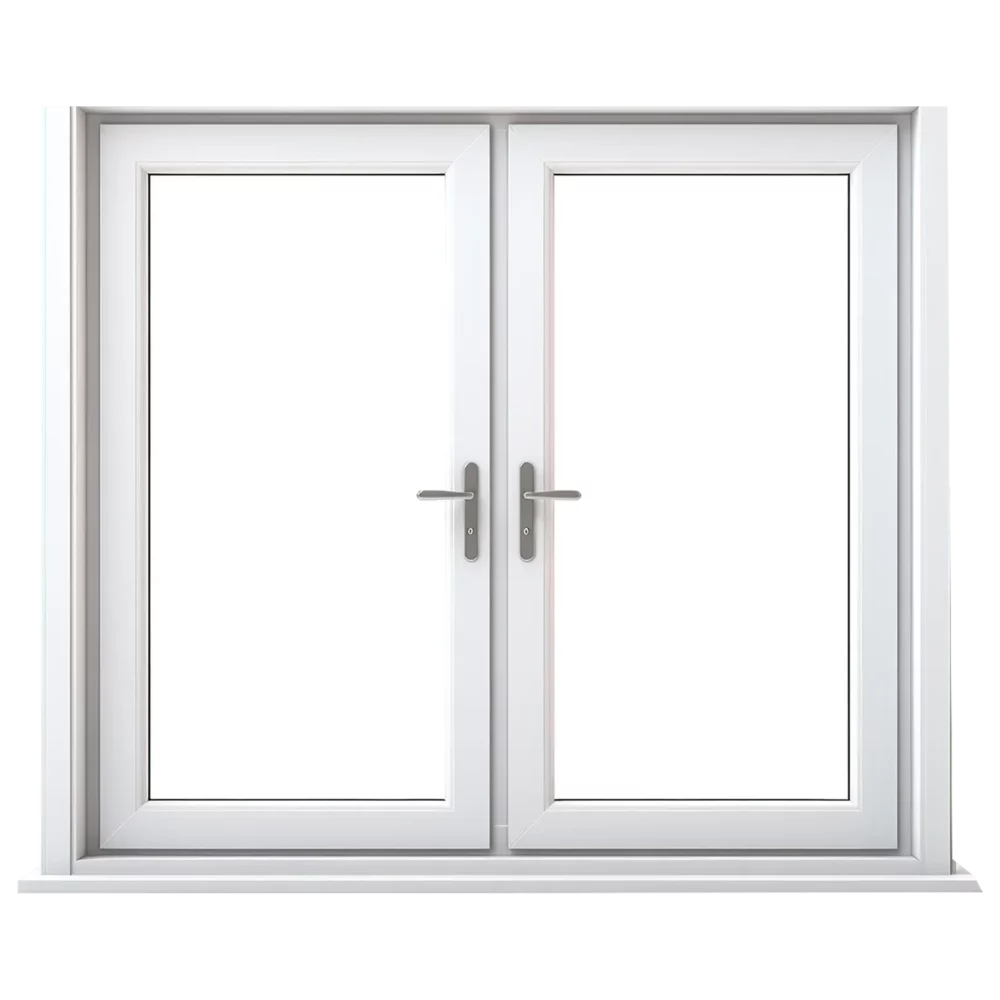
- Double Tilt and Turn: A French-style design that provides a 100% clear panoramic opening by eliminating the central vertical bar.
- Combination Units: This type of window reduces costs by combining fixed glass with high-performance ventilation for large living rooms.
- Security Tilt and Turn: Acting as an invisible guard, this window removes the need for unattractive iron grills through reinforced steel. They can be further strengthened with break-resistant glass.
Best Placement for uPVC Tilt and Turn Window
Kitchens & Bathrooms: These windows allow steam, smoke, and odors to escape without opening the window entirely. Cleaning of these windows becomes easy as they tilt inside, particularly when cleaning the upper-floor windows.
Bedrooms: They allow air to come in while still keeping privacy because you don’t have to open them fully. The tilt position prevents a cold breeze from hitting you in your space. By swinging the window fully inward, you can allow fresh air to flow into your bedrooms in the mornings.
Living rooms & Balconies: In living rooms, they enhance the look of the space, offering ample light and air. In balconies, during light rain, these windows allow you to tilt the door inward, without opening fully, for fresh air.
Office spaces: In offices, located near busy roads, they reduce the noise to a great extent. Compression gaskets and a multi-point locking system create air tight seal in offices, helping them cut power bills.
Why Choose uPVC Tilt and Turn Windows
uPVC tilt and turn windows are mainly chosen because of their dual function. You can tilt them for small airflow or open them fully when needed. This gives better control in daily use.
The material is strong and does not get affected much by the weather. uPVC does not rust or require frequent repairs. It stays in good condition for a long time.
They also help in maintaining indoor comfort to some level. Maintenance is simple and does not take much time. With proper locking systems, they are safe and suitable for homes as well as offices.
Customise Your uPVC Tilt & Turn Windows
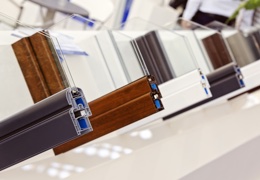
You can choose the size based on your window opening and space requirements. Different colour options are available to match interiors and exteriors.
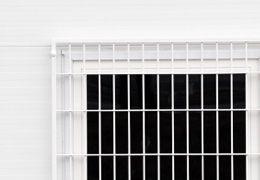
Clear, tinted, or double-glazed glass can be selected. The hardware, like handles and locking systems, is available for easy use and safety. They also come with mesh and grill options.



 English