
Bay Windows vs Bow Windows: Design Possibilities with uPVC
Contents
- 1 Bay Windows vs Bow Windows: Design Possibilities with uPVC
- 1.1 Thinking Outside of the Box
- 1.2 What Is a Bay Window?
- 1.3 What Is a Bow Window?
- 1.4 How Bay and Bow Windows Change the Way You Live
- 1.5 Options for designing with uPVC bay windows
- 1.6 Design Options for uPVC Bow Windows
- 1.7 Why uPVC is a Good Choice for Bay and Bow Windows
- 1.8 Picking What Works for Your Life
- 1.9 Where Bay and Bow Windows Are Best
- 1.10 Why should you choose Aparna Venster uPVC Windows?
- 1.11 Bay vs Bow Window Pros and Cons
- 1.12 Conclusion
- 1.13 Frequently Asked Questions (FAQs)
- 1.13.1 What sets bay windows apart from bow windows?
- 1.13.2 Which is better for small homes: bow windows or bay windows?
- 1.13.3 Why are uPVC bay and bow windows a good choice for homes in India?
- 1.13.4 Do bow and bay windows really let in more light?
- 1.13.5 Why should I pick Aparna Venster for uPVC bow or bay windows?
Bay Windows vs Bow Windows: Design Possibilities with uPVC
People don’t just design modern homes to be useful anymore. Individuals today want rooms that are open, calm, and cosy. Windows are a big part of this. A good window does more than let in light and air. They make a room feel and work differently every day.
Bow windows and bay windows are great examples of this kind of design. They don’t compete with regular windows. Instead, they give you a different experience that adds space, light, and comfort without adding clutter.
Thinking Outside of the Box
Most windows stay flat against the wall. They do their jobs and stay out of the way. Bay and bow windows go against this idea. They stick out and make more room inside the house.
It’s not just about how big this extra space is. The feeling of the room is what matters. It can be a place to sit, unwind, read, or just enjoy the light from outside. This versatility is what sets bay windows apart from bow windows.
What Is a Bay Window?
Most bay windows have three panels. In the middle, there is one big window. There are two smaller windows on the sides that are slightly angled.
This shape makes a clear and distinct addition to the room. The space inside the house feels planned and organised.
People often use bay windows to:
- Create a seating area near the window
- Add a reading or relaxation corner
- Place indoor plants
- Make a room feel wider and deeper
They let in a lot of bright light and help the room feel like it’s moving.
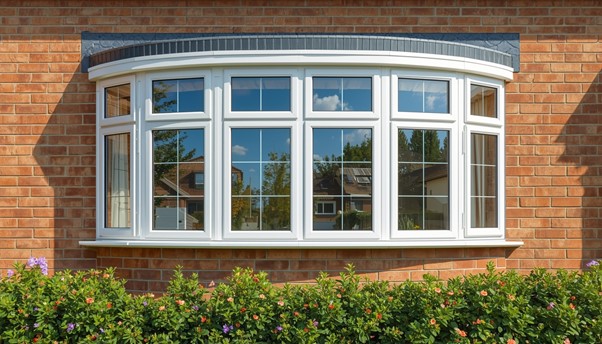
What Is a Bow Window?
A bow window has four or more windows that are arranged in a soft curve. There are no sharp corners. The shape moves smoothly outward.
It feels soft and graceful to have bow windows. Because they are curved, they let in light from many angles during the day.
People often choose bow windows to:
- Make the outside of their homes look more elegant.
- Make views that are wide and open
- Make rooms feel open and bright
- Make the house look better overall
They fit in with the structure of the house and feel light instead of heavy
How Bay and Bow Windows Change the Way You Live
It’s not just the shape that makes bay and bow windows different. It’s about how people feel in the space.
Bay windows feel:
- Structured
- Defined
- Realistic
Good for storage or seating
Bow windows feel:
- Soft
- Flowing
- Open
They are focused on comfort with light and sight
Options for designing with uPVC bay windows
People choose uPVC bay windows for both their looks and how comfortable they are to use every day.
Corners of the Living Room
With some cushions, a uPVC bay window can easily turn into a place to sit. It adds functionality without needing more furniture.
Bedroom Areas
Bay windows in bedrooms make quiet spots where you can read or relax and enjoy the natural light.
Dining areas
Bay windows near dining areas let in light and air, which makes meals more enjoyable.
Design Options for uPVC Bow Windows
uPVC bow windows are more about light and style.
Bright Inside
Bow windows let light in from different angles, which keeps rooms bright all day long.
Appeal from the Outside
Bow windows make homes look smooth and high-end from the outside without looking too big.
Quiet Living Spaces
The curved shape makes rooms feel more relaxed and bigger inside.
With uPVC, you can enjoy this design without worrying about the weather or having to make repairs often.
Why uPVC is a Good Choice for Bay and Bow Windows
Because bay and bow windows stick out, their frames need to be strong and stable.
uPVC windows are:
- Strong and lasts a long time
- Resistant to rain, humidity, and heat
- Simple to clean
- Good for the weather in India
They hold up big glass panels while keeping the building safe and sound.
Picking What Works for Your Life
Choose a bay window if you prefer:
- A place to sit or store things that works
- A clear extension of the space
- A strong and clear look from the inside
If you want a bow window, choose one
- A look that is softer and more elegant
- As much natural light as possible
- A smooth, curved outside design
Not only how it looks, but also how you want to use the space will help you choose the right one.
Where Bay and Bow Windows Are Best
These windows work well in:
- Living rooms
- Rooms for sleeping
- Places to eat
- Rooms with a view of the front
- Villas and single-family homes
They are perfect for homes that value openness, light, and comfort.
Why should you choose Aparna Venster uPVC Windows?
Aparna Venster makes uPVC bay and bow windows with a focus on comfort, durability, and a clean look.
Their windows are:
- Made to fit different types of homes
- Made to work in India’s weather
- Simple to keep up
- Made to last a long time
They make windows that fit in with everyday life.
Bay vs Bow Window Pros and Cons
If you’re comparing bay vs bow window pros and cons, here’s a clear breakdown:
Bay Window – Pros
- Practical seating or storage space
- Strong architectural definition
- Works well in smaller layouts
- More affordable than bow windows
Bay Window – Cons
- Slightly sharper exterior projection
- Less panoramic view compared to bow
Bow Window – Pros
- Softer, elegant appearance
- Brings in more natural light
- Expansive outdoor views
- Enhances exterior aesthetics
Bow Window – Cons
- Requires more wall space
- Typically higher cost
- Installation can be more complex
The right choice depends on how you want the room to function and feel.
Also Read: The perfect selection of uPVC window styles for you
Conclusion
Not only are bay windows and bow windows architectural features. They change the way people feel about a home. Bay windows add structure and serve a purpose. Bow windows let in light and make things feel softer.
Both styles are useful, long-lasting, and easy to care for with uPVC. The real choice is how you want your home to feel.
With Aparna Venster, you can pick windows that do more than just look good; they also make everyday life better in a quiet way.
Frequently Asked Questions (FAQs)
What sets bay windows apart from bow windows?
Bow windows have several panels that make a smooth curve and look softer. Bay windows, on the other hand, have three panels with sharp angles that make a defined space.
Which is better for small homes: bow windows or bay windows?
Both can work in small homes, but bay windows are better for making seating or storage, and bow windows are better for letting in light and making rooms feel bigger.
Why are uPVC bay and bow windows a good choice for homes in India?
uPVC bay and bow windows are strong, can handle bad weather, and don’t need much care. They work well in India’s hot, rainy, and humid weather.
Do bow and bay windows really let in more light?
Yes, bay and bow windows stick out and have several glass panels, which let in more natural light from different angles during the day.
Why should I pick Aparna Venster for uPVC bow or bay windows?
Aparna Venster makes beautiful, long-lasting uPVC bay and bow windows that are easy to care for and work well in Indian homes.
Related posts:
 Arch Windows Design Ideas: Adding Elegance to Your Home
 Kitchen Folding Doors Design Ideas
 uPVC Sliding Windows Guide: Benefits, Installation & Tips
 Ultimate uPVC Window Installation Checklist: What to Check After Installation
 Modern Foldable Door Designs for Indian Homes
 Balcony Door Options: Space-Saving Solutions
 English