

How uPVC Windows & Doors Block Heat in Summer
During the summer, your homes feel hotter than usual because of the outside heat. Besides that, your windows and doors also play a crucial role in indoor heat gains, particularly during summer.
The type of material used and poor insulation can allow heat to seep inside. This may cause discomfort in the afternoon and also increase your electricity bills. Choosing uPVC windows and doors for hot climates can help overcome these issues. uPVC is a poor conductor of heat, so they do not absorb much heat or transfer outside heat into your home.
Contents
- 1 Why Does a House Overheat in Summer?
- 2 How Much Heat Enters Rooms Through Windows and Doors?
- 3 Signs Your Windows and Doors Are Letting in Too Much Heat
- 4 How Sunlight Direction and Window Placement Affect Indoor Heat
- 5 How uPVC Windows and Doors Help Reduce Indoor Heat
- 6 How This Helps Reduce AC Usage
- 7 Additional Ways to Reduce Indoor Heat Naturally
- 8 What to Look for in Summer-Ready Windows and Doors
- 9 Conclusion
- 10 Frequently Asked Questions
Why Does a House Overheat in Summer?
It is not just the outside heat; there are several reasons why your rooms feel hot indoors. Rooms tend to heat up due to various factors. Heat gain through glass, air leakage around openings, and poor insulation are some of the main reasons for rising indoor temperatures.
How Much Heat Enters Rooms Through Windows and Doors?
Recent research on residential buildings in Gurugram demonstrates that windows and glass can contribute 22%–26% of total heat gain. This data is cited in the study ‘Impact of Building Orientation and Built Area on Heat Gain in Residential Buildings’.
Glass allows sunlight to penetrate easily through the openings, which results in heat getting trapped inside.
During summer, ultraviolet (UV) rays and solar radiation pass directly through glass surfaces. Standard glass does not block much of this radiation, allowing rooms to warm up gradually. Using energy-efficient glazing or thermally insulated window systems can help reduce the solar heat gain.
If the frame of your window is made of steel or iron, it raises the indoor temperatures. These materials conduct heat easily, so they also become warm soon.
Signs Your Windows and Doors Are Letting in Too Much Heat
Observe the points to understand if your rooms are allowing more heat.
- The room turns warmer quickly once the AC is switched off.
- Your sliding doors don’t close tightly
- Frames feel hot when touched
- Your power bill increases every summer
If you notice any of these signs, your windows and doors may be allowing excess heat to seep in. Many of you might have already observed these issues in the past, but never really paid much attention to them.
To overcome these issues, shifting to thermally efficient uPVC windows and doors will reduce heat entry and improve overall comfort.
How Sunlight Direction and Window Placement Affect Indoor Heat
Apart from the material, the direction homes face also influences indoor heat levels. In many homes, west-facing doors and windows receive strong afternoon sunlight, which increases the indoor temperatures. Sunlight enters through glass surfaces and warms up the room. If your home has large glass doors or balcony windows that face the sun for long hours, then they tend to trap more heat inside. The rooms feel warmer even when the air conditioner is running. So opting for thermal insulation uPVC systems frames and controlled glazing for openings exposed to intense sunlight will come in handy.
How uPVC Windows and Doors Help Reduce Indoor Heat
uPVC systems are designed to improve thermal performance in hot weather conditions.
1. Multi-Chamber Insulation
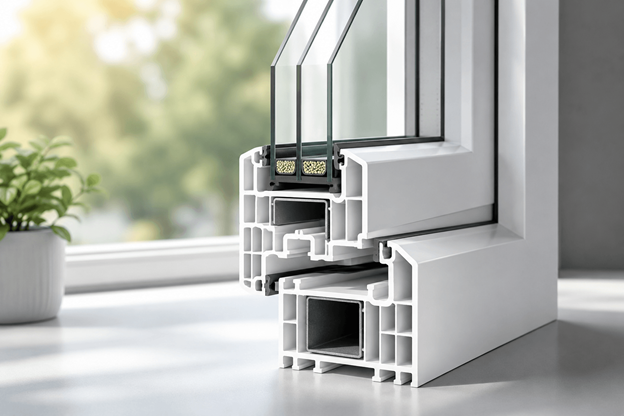
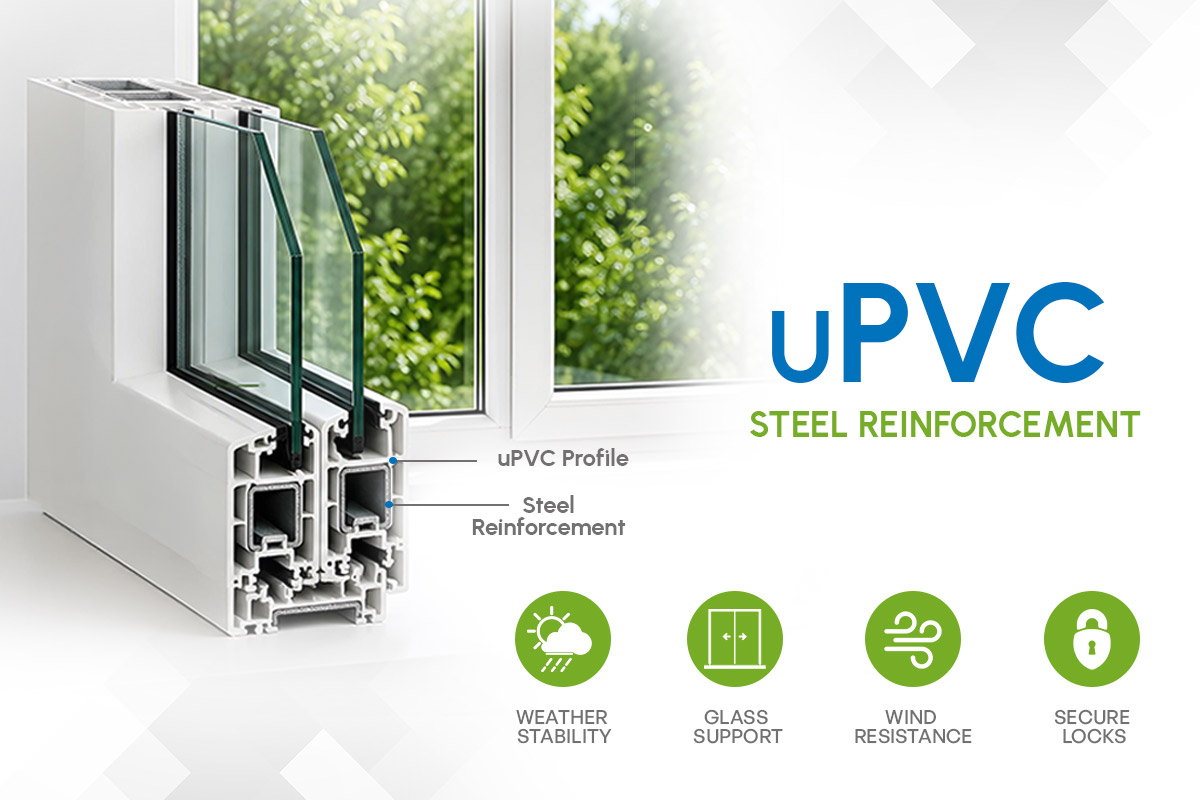
uPVC profiles come with internal air chambers that act as insulation. These air chambers slow down heat transfer from outside to inside.
2. Low Heat Conductivity
Materials like iron and steel heat up quickly when exposed to direct sunlight, but uPVC does not transfer heat easily.
3. Airtight Sealing
Airtight sealing lessens the leakage of air and prevents hot air from seeping in. This can be achieved by perfectly installing uPVC windows and doors, which prevents leakage.
4. Compatibility with Energy-Efficient Glass
uPVC systems can be combined with insulated glazing to reduce heat gain.
When these features are combined, they help maintain a balanced indoor temperature during hot months.
How This Helps Reduce AC Usage
When heat entry is restricted, ACs cool the room faster, the compressor runs with reduced load, and energy consumption reduces. This restricted entry of heat also helps maintain stable indoor temperatures.
Additional Ways to Reduce Indoor Heat Naturally
Besides upgrading to uPVC windows and doors, homeowners can also consider using light-coloured curtains or blinds. Likewise, ensure proper cross ventilation in the evening. Look for any visible air gaps and then seal them properly.
These minor improvements, coupled with efficient uPVC systems, can enhance the comfort in summer.
What to Look for in Summer-Ready Windows and Doors
When choosing the right uPVC systems for hot climates, prefer multi-chamber profiles, strong reinforcement, high-quality sealing systems, their compatibility with insulated or solar-control glass, and durability, especially in high temperatures.
Also Read: Are uPVC windows and doors highly secure?
Conclusion
If your dwelling place overheats every summer, the issue may not be only due to outside heat. Windows and doors are critical to keep your home cool. By choosing thermally efficient systems like Aparna’s uPVC doors and windows, you can reduce indoor heat and improve cooling efficiency. The product from Venster is also lead-free, providing excellent thermal insulation.
Frequently Asked Questions
Why do homes feel hot even when doors and windows are closed?
It is because heat can penetrate through glass and get trapped inside. Heat can also seep in through frames where the insulation is poor.
Can uPVC doors help reduce indoor heat?
Yes. uPVC helps reduce heat indoors, as it does not conduct heat quickly like metal. When sealed to perfection and paired with the right glass, it can reduce heat transfer.
Do airtight uPVC windows make any difference in summer?
Yes. Airtight windows maintain stable indoor temperatures by reducing leakage of cool air. This also brings down your electricity bills.
Are thermally efficient windows worth it in hot climates?
Yes, they can help reduce heat transfer, improve indoor comfort, and lower the cooling load on air conditioners during summer.

 English