
How uPVC French Windows Enhance Home Decor and Natural Light
Windows in our homes serve different purposes, including how comfortable you feel every day at home. Ample light and fresh air are key factors to consider when picking the right window type. In most of the homes, traditional space-taking wooden windows are used. These wooden windows also need constant maintenance. This is where uPVC windows come to the rescue, particularly French windows.
If you are looking to upgrade your window systems, French windows can be a perfect solution.
In this write-up, we will have a look at what French windows are, different types and styles, where they can be used, their benefits, and pricing details.
Contents
What is a French Window?
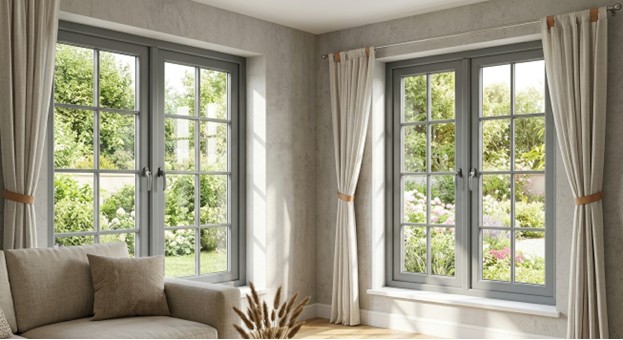
French windows are full-length windows, installed in pairs, that open from the centre without a mullion. They can open both inward and outward. These double-sashed uPVC door windows are fitted with tall, floor-to-ceiling glass panels that act as transparent walls.
Different Types of French Windows
uPVC French windows can be categorised based on their opening mechanism and architectural shape and design.
First, let’s see the window type based on the opening mechanism
Swing-in French Windows
These swing inward and are perfect for homes with narrow walkways or small balconies. It uses a side-hinged design to create a balanced, symmetrical look. They also perfectly blend your indoor style with the outdoors.
Push-out Casement Windows
Since they open outward, they don’t take up your indoor space. They are perfect for retail and office spaces where the view is important. The interior looks clean because the handles and sashes do not appear when the window is opened outward.
Fibreglass In-Swing French Windows
Fibreglass is tough, so it is not easy to break the glass. They are good for ground-floor bedrooms, as they offer extra protection against break-ins. Homeowners can achieve the elegant look without worrying about the safety.
Tilt-and-Turn French Windows
This is a versatile, modern window option where you can tilt the window inward from the top for ventilation or swing open fully.
By Architectural Shape & Design
Arched French Windows: These feature a curved top, which adds an architectural grandeur. They are mostly used by those who prefer a traditional and vintage look.
French Bay Windows: A configuration where a central French window is flanked by smaller windows, projecting outward to provide panoramic views and extra interior space.
Divided-Light French Windows: These are floor-to-ceiling windows with multiple glass panes separated by mullions, offering a classy look.
Fixed French Windows: Unlike other types of windows, these windows are fixed and can’t be opened inward or outward. They are used purely for their aesthetic appeal and to let in maximum light.
Also Read: Aluminium vs uPVC Windows: Price Comparison & Value Guide 2026
Benefits:
French windows offer superior sunlight, fresh air, and wide views of your outdoors. They brighten rooms, as they come with large glass panels and less framing. It reduces the need for switching lights during the daytime. The absence of a central mullion and its ability to open both inwards and outwards allow free flow of air inside.
When coupled with double-glazing, these windows offer proper insulation and help in maintaining a balanced temperature inside. You can just use a cloth and water to clean them. They are also resistant to colour change, corrosion, and wrapping. These windows are gaining prominence in modern home design because they enhance the aesthetic appeal, ventilation, and daylight.
Enhanced Security Features
Many doubt how French windows with standard glass can add a security layer. However, modern French windows come with many security layers.
They offer these features:
- 5-point locking system and steel shoot bolts
- Toughened laminated glass, which is 5–6 times stronger
- Certified security fittings
- Sash jammers
Decorative tips:
From a decorative angle, French windows are not just another opening of your home; they are frames that offer uninterrupted panoramic views. Homeowners can use thin black frames against white or neutral walls for a high-end look. Pairing it with minimalist furniture can enhance the look of the windows. Use hardware like matte gold, bronze, or slim black, complementing the window frame for an elegant touch.
Where uPVC French Windows Can Be Placed
They can be placed in almost any part of the home. But they are mostly used in places that require more ventilation and maximum light.
Common placements include:
- Living Rooms
- Bedrooms
- Dining Areas
- Balconies and Patios
- Gardens
- Hallways and other places.
Where Can I Buy uPVC French Windows?
For those particular about elevating the look and beauty of their home, choosing a trusted manufacturer and supplier is crucial. Purchasing from a reputed brand like Aparna Venster is a good option, as they offer quality French window uPVC systems and professional installation for a smooth setup of windows. Venster profiles are extracted in-house and manufactured using high-precision machinery imported from Germany. uPVC profiles contain higher levels of titanium dioxide and lower calcium. Carbonate, ensuring superior UV resistance and durability
Upgrading to French windows is a practical investment option. They offer a beautiful, wide-open view without the high maintenance of traditional wood. If you are looking to transform your living space with premium finishes and long-lasting windows, Aparna Venster is the perfect choice.
Also Read: French Windows: History, Types, and Design Guide
Frequently Asked Questions (FAQs)
How long do French windows last?
uPVC French windows last anywhere between 20 and 30 years. They also last longer than the wood.
Do uPVC French windows change colour in extreme heat?
No. They do not change colour because they are UV-resistant and engineered for long-term use.
Are French windows more expensive than other uPVC windows?
Yes. French windows are typically more expensive than other types of uPVC windows because they are large in size, and they also need a thicker reinforced material for greater strength. However, they are cheaper than wooden windows.
Related posts:
 Arch Windows Design Ideas: Adding Elegance to Your Home
 Bay Windows vs Bow Windows: Design Possibilities with uPVC
 uPVC Sliding Windows Guide: Benefits, Installation & Tips
 What are uPVC Fixed Windows? Features and Benefits
 How uPVC Windows & Doors Block Heat in Summer
 Ultimate uPVC Window Installation Checklist: What to Check After Installation
 English